


In Psalms 24: 10, it is said like this:
“Who is this King of glory? The LORD of hosts, he is the King of glory.”
“Who is this king of glory? He is the LORD of hosts. To whose hosts, He is the Lord? He is the King of the hosts of the Lord. A host of warriors who can fight is called an army. David says that He is the Lord of Hosts. The Lord is the King of glory for the armies of David. We are going to see about this King of glory. Armies are of various kinds. The armies in India are the military forces of our country. In various other countries, the military forces of their countries are their armies. Here, David says that He is the Lord of hosts.
Saul had risen against David. Saul was one who was anointed by the Lord. He is the King of the armies of Israel. He is the king of Israel. Saul was anointed by the Lord, as the king of Israel.
The Lord is not the Lord for all the hosts of Israel. The armies of Israel were divided into two parts.
This King of glory is the Lord of hosts of David only (II Samuel 5: 10). He is the God for Esau; He is the God for Jacob; He is the God for Ishmael. He is the Lord for all - for those who seek and find Him and for those who do not find Him; for those who have understood Him and for those who have not understood Him; for those who worship Him and for those who do not worship Him; for those who have accepted Him and for those who have denied Him. Here, David sings that Jehovah is the Lord of his hosts. We are going to see about the Lord of hosts of David.
In Genesis 15: 1, 4, it is said like this:
“After these things the word of the LORD came unto Abram in a vision, saying, Fear not, Abram: I am thy shield, and thy exceeding great reward.
And, behold, the word of the LORD came unto him, saying, This shall not be thine heir; but he that shall come forth out of thine own bowels shall be thine heir.”
Behold, the word of the Lord came unto Abraham. If we see in the books of prophecy and other parts of the Bible, when the prophecies are announced, it is said that the Word of the Lord came unto him. We can see, it is mentioned as the Word of the Lord came to Elijah (I Kings 18:1), the Word of the Lord came to Isaiah (2 Kings 20:4), the Word of the Lord came to Jeremiah (Jer. 33:23), the Word of the Lord came to Ezekiel (Ezek. 1:3). How does the Word of the Lord come? The Word of the Lord came unto Abraham. What does that Word say is that “he that shall come forth out of thine own bowels shall be thine heir”. He who comes out of your own bowels shall take part in the heritage which I have promised to you. This Word came into Abraham. Abraham did only one deed to the Word of the Lord which came to him.
In Gen. 15: 6, it is said like this:
“And he believed in the LORD; and he counted it to him for righteousness.”
Abraham believed in the Lord; and it was counted to him for righteousness. Abraham believed the Word of the Lord which came to him. Only for believing that Word, it was counted to him righteousness. Therefore, he was witnessed as the righteous person. Abraham did only one deed. It was that he believed the Word of the Lord, which came to him, which was commanded to him and he did according to it. Only that faith became righteousness to him. The Word of the Lord which came to Abraham was not given in the form of writing. When that word came even into his flesh, it rose up as the Word of the Lord. “He must sacrifice his son” was commanded to him as the Word of the Lord. He went up to that mountain to sacrifice his son. Thus whatever the Lord had commanded him to do, he believed them all. He did not think and do whether the thing which the Lord had commanded him to believe was favourable or not; and whether that thing would give him benefits or not. He believed that the Word of the Lord which came to him would be fulfilled. Only that was counted to him for righteousness. The Word which the Lord had commanded to him was “Get yourself out of the country of Chaldees. I will make you settle in the land which I will give to you. You get yourself out of your country and from your kindred and from your father's house and go to a land that I will show you” (Gen.12:1). Abraham left his kindred, his people and all his relations in the land of Chaldees and believed the Word of the Lord and departed according to the Word. It was counted to him for righteousness. That is the faith of Abraham.
Faith is not deciding that this is the Lord's doing because all the situations are in favour of it. Righteousness is that it is keeping faith on that Word, even though when there is no feasibility of fulfillment of it, one should believe. It was that which Abraham did that day.
If we leave the country of Chaldeans and go, where will we go and stay? How will we live? How shall we lead the life? What are we going to do with the servants? Thus, he did not think anything of these. The Word came. He believed it. He did deeds according to it. That was counted to him for righteousness. Abraham believed all the words that were commanded to him. The descendants of Abraham are they who are of faith. What to believe? That is the question. Believers are the descendents of Abraham. All the Christians are believers. One who does not believe can not be a Christian. He believes that there is Christ. He believes that Christ has suffered for him; he was crucified, died and resurrected on the third day. One who does not believe all these, is not a Christian. Is this belief only counted for righteousness? What does the Word say? Abraham did not say, “You asked me to leave the country of Chaldeans. I have come. Hereafter, you need not command to me about anything. What you have already commanded me to do, I have done”. He believed everything in its own time and did those things accordingly which had been commanded to him in its own time. It was counted righteousness for him.
Here, a word came into him. He thought that Eleazor who had been looking after all his things in his house will be his son (heir). But, the Word of the Lord came unto him and said, “He shall not be your heir; but he that shall come forth out of thine own bowels shall be your heir” (Gen.15:3, 4). “By coming out of Abraham's loins” means that Ishmael born of Hagar also has come out of Abraham's loins. He is also the seed of Abraham. But he has no inheritance from Abraham. Your wife Sarah will give birth to a child. He is your heir. Only he is ordained for inheritance. He also believed the word that was commanded in this way. Abraham believed each word that was commanded to him. He obeyed all words which had commanded to him whatever he should do in all times. He believed that Word. That was counted to Abraham as righteousness.
The deeds of Isaac, son of Abraham are similar to the deed of Abraham's faith. What all his father had asked him to believe, he too believed all of them. He believed his father. He believed God the Father of his father. When you look at the deeds of Jacob, the son of Isaac, they are not better deeds than the deeds of Esau that were done according to flesh. But, what kind of faith did Abraham have, the same kind of faith was seen to be in possession of Jacob. He goes to Laban's place, when he is in a condition of leaving his father, mother and kindred. Before that, he lies down in Bethel. He sees angels ascending to and descending from heaven. He who passed over with mere staff has returned with blessings to this same place. Jacob believed the commands of the God of his father. He believed what his father Isaac had commanded to him. He believed what his mother Rebecca had commanded to him. He was not doing the same deeds which were commanded to his forefathers. He did the deeds similar to the Word which was commanded to him.
My father had left the country of Chaldees which was commanded by the Lord. Isaac and Jacob did not do only the same deed which Abraham did, saying “I too will never go back to the land of Chaldees”. But they did the deeds which were similar to the Word which the Lord had commanded to them. Just think how is the attitude of today's Christians? I am in this Christian religion to which my father was converted. “I too have not gone back into the land of Chaldees.” I do not follow the gods of the gentiles. I am very strong in this. The Word witnesses that if they had such kind of faith, they would not be reckoned as righteous before the Lord. Jacob, leaving his father Isaac who had got promise, would not have needed to run to Laban. They had kept their faith on the word which the Lord had commanded to them, just as their father Abraham had believed. In faith, their deeds were similar to those of Abraham. It was on the Word which had been commanded only for them. They did not do the same deed which Abraham had done. Even when the situation was not favourable to him, in what temperament Abraham had believed, in the same way, the sons were firm in carrying out the law which had been commanded to them, through the same temperament of their faith.
In Exodus 24: 3, it is said like this:
“And Moses came and told the people all the words of the LORD, and all the judgments: and all the people answered with one voice, and said, All the words which the LORD hath said will we do.”
The Word of the Lord came unto Moses. The Word of the Lord which came unto Moses was called the Law. The Law was given through Moses. Jesus Christ also witnesses these.
In John 1: 17, it is said like this:
“For the law was given by Moses, but grace and truth came by Jesus Christ.”
The Word of God which came within Moses was revealed as the Law. It was the body of Moses which the Lord has chosen as the body of flesh on that day to give the Law. This Law was revealed to Moses by the Lord in order that the Israelites might hear them and do according to them and follow them.
Dear beloved in Christ, the Word given to Abraham, the covenant made with Isaac, the grace commanded to Jacob, and all these were received by pre-destination. The Law was the word given to the Israelites by the Lord to follow Him. The Lord's Word was given as the Law through Moses. This Law, which was given through Moses, was given to the people who were set apart to follow it. They are the Israelites.
The Word commanded to Abraham was given so that he could work it. What was given to Isaac was commanded for Isaac's deeds. What was given to Jacob, was commanded for Jacob's deeds. What was commanded for Enoch, was given so that Enoch might work it. But this law, which was given through Moses, was the law that was commanded so that you and your descendents might follow it. It was the law which was commanded as an everlasting command. The duration of this law was a long time duration. All the other things, that were commanded earlier, had a short time duration. Do not eat this fruit - This was the law which was commanded until before another descendent was formed in the seed of Adam. After it was formed, it was divided into two nations. These are the schedules of the Lord. After that, various commandments were given in different times and finally, the law was given. This law was commanded, so that a multitude of nation might follow it. The nation, that was brought to follow this law, was the nation that was in slavery in Egypt. Thus the Lord brought out this nation, which was in bondage in Egypt, by performing miracles and showing wonders to them. These people afflicted those who had afflicted them and came out leaving Egypt. Only after that, this law was given to them.
This law was given by the Lord through Moses, so that you and your descendants should follow them without fail. To the Jews, who were seen with this mind, that Moses gave them manna which came down from heaven, the Lord Jesus Christ said, “Moses did not give you that bread form heaven (John 6:31-33). That law, which Moses gave as manna, was commanded by my Father”.
In Acts 7: 53, it is said like this:
“Who have received the law by the disposition of angels, and have not kept it.”
Moses was an angel. Angels are they who have received the command to perform two kinds of things. Generally, by the word 'angels' - the Christians think that the angels are, 'they who come flying with wings from the heaven'. This is wrong. When Jesus Christ was born, angels came down from heaven. They came and worshipped Him. It is said that angels came for many things. Angels came during all the times of seven Churches. The Bible says that angels are like winds. God created man in His own image. The angels are also in His own image. Angels too have our own image. But we have this flesh. Angels do not have this body of flesh. They have spiritual bodies and they are sent by the Lord to fulfill the schedules of the Lord.
Angel is one who is sent for a special purpose. The Lord chooses a person and sends him to inform certain things. Thus, the angel is one who informs what the Lord has commanded. That body of flesh may be beautiful or may not be beautiful. That body of flesh may be physically useful to others or may not be useful to them. That physical body may be glorious or may be without glory. That is not what matters. When the spirit, which is sent from the Lord, descends on a body of flesh and works in him, that body of flesh is also an angel. Therefore, the body of flesh which accepts the spirit sent by the Lord is called an 'angel '.
When you see about Moses, the body of Moses is not a glorious one. When the day he was born, he was the one who was saved by breaking the government law that he should be killed; he was the one who was saved by breaking the command of Pharaoh. The midwives should kill all the male children who are born of the Hebrews. That was the command of Pharaoh, that day.
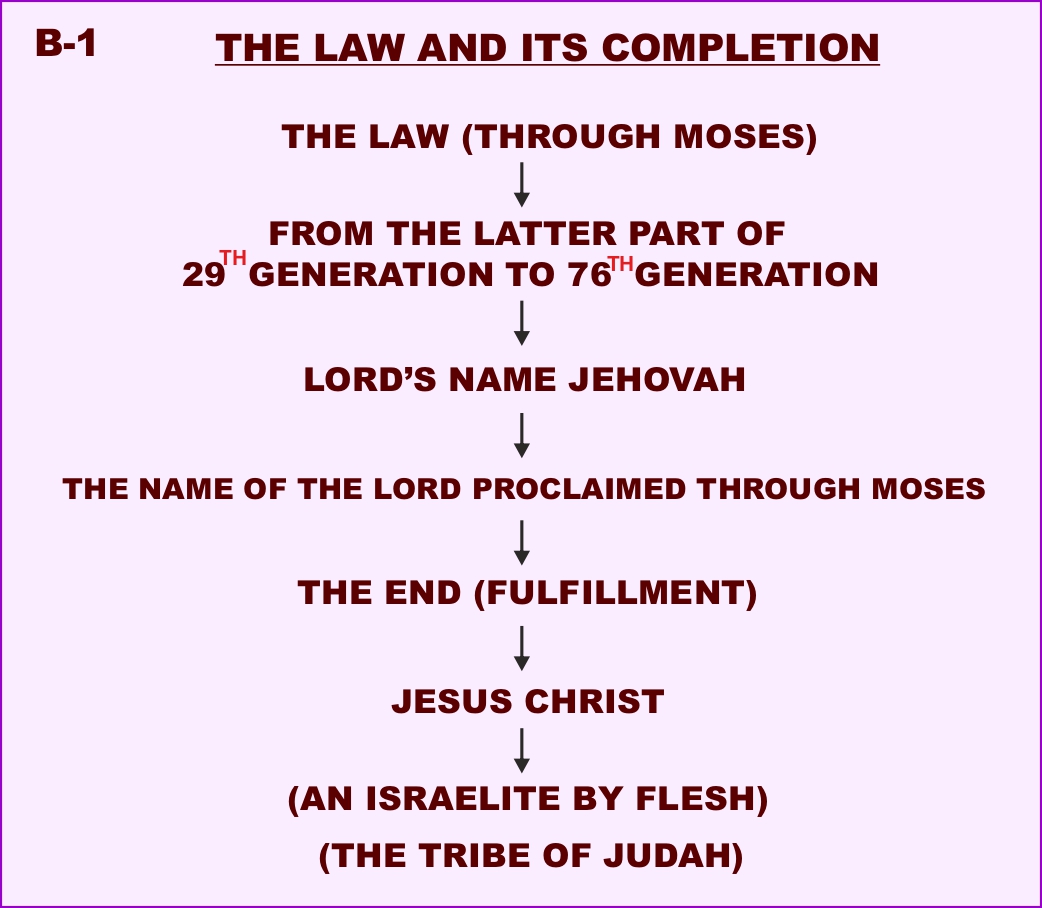
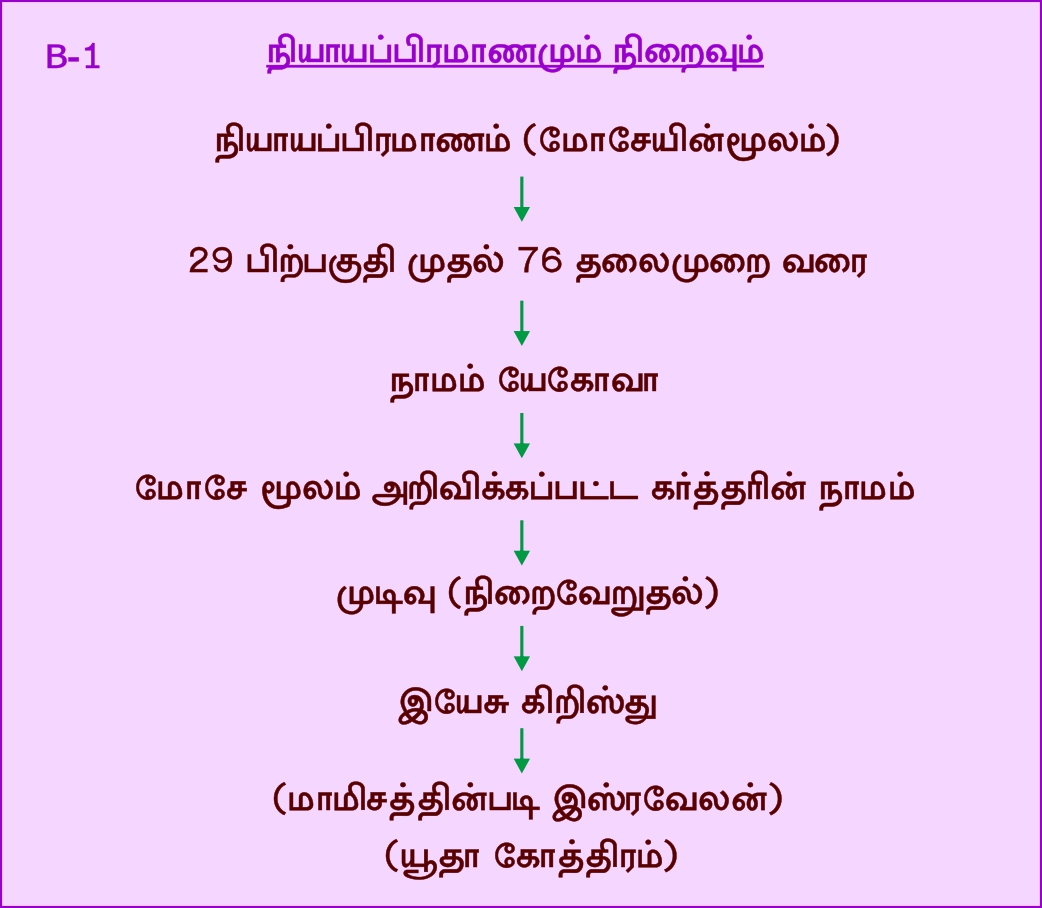
This Moses was the one who was saved by breaking the command of the King of Egypt. He is not worthy anyway to become an angel according to the flesh. The deed which he did was the only one. He believed the Word of the Lord which came to him and did the deeds according to it. The Word came into his heart. That Word awakened him. Ah! My people must be redeemed from these cruel atrocities inflicted on the Hebrews. As a result of these consequences, he left his comfortable life and ran to wilderness. He was seen there as tending the flock of sheep. The Word of the Lord came to him from fire. He took the Word of the Lord in his hands as the staff and went back to Egypt. He was the one who was sent. Why was he “the sent one”? It is because he was sent by the Lord to set free the imprisoned Israelites from Egypt and to take them into the promised land of Canaan. The spirit which is sent for a special purpose is called the angel. Again he went into Egypt. Thereafter, he preached the gospel as a message to the Israelites, he brought them out from there. After that the Lord commanded this law, in order to tell them how they should conduct themselves. That word came into him and was revealed as the law. The law given through Moses was the beginning. An Israelite born in flesh was sent as an angel and this law was proclaimed in the days of Moses in order that the fleshly born Israelites might follow the commandments and inherit the eternal life. This law which was started in the days of Moses came to an end in the days of Lord Jesus Christ.
“For Christ is the end of the law for righteousness to every one that believeth.”
Christ is the end of the law.
The beginning of the Law - The days of Moses
The End - The days of Jesus Christ. Jesus Christ, by flesh is an Israelite; the tribe of Judah.
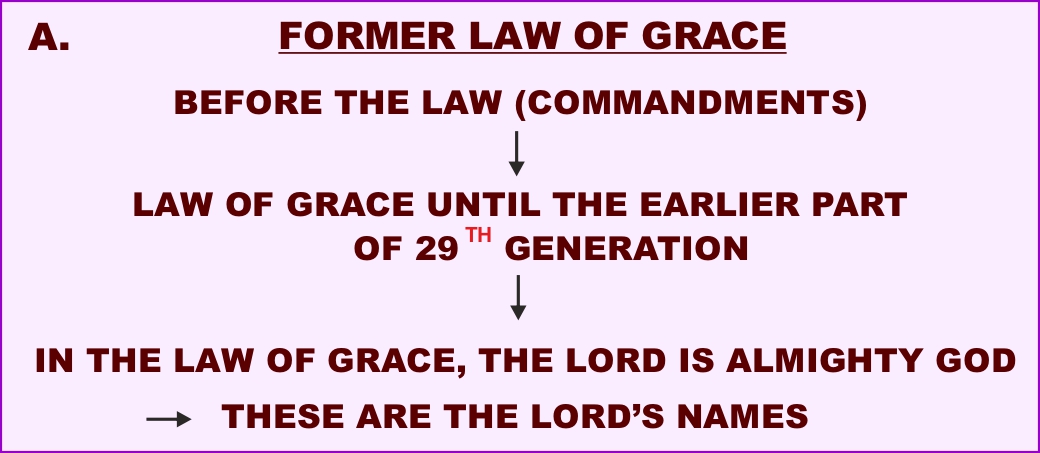
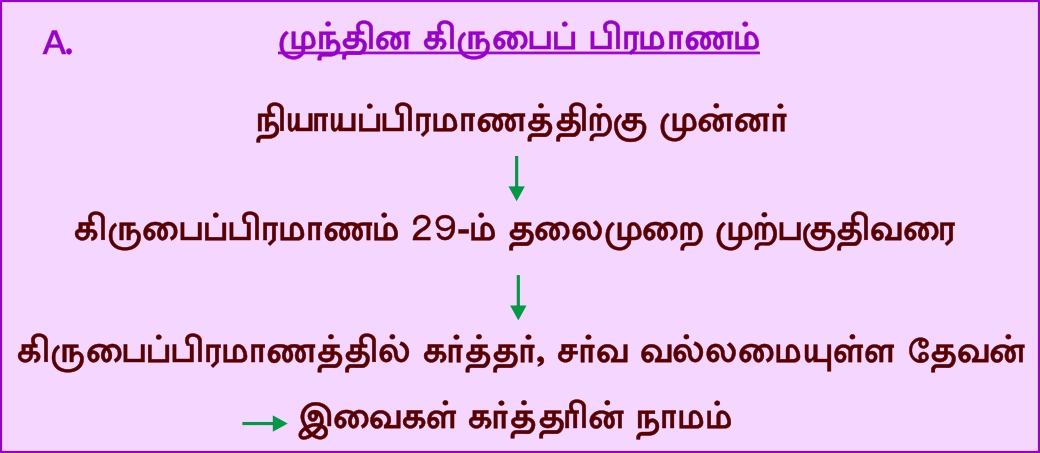
From Moses to Jesus Christ, the words of the Law were commanded to the Israelites. This Law which began through Moses came to an end by Jesus Christ. Before this Law, there was the time of grace. Abraham was reckoned as the righteous person not because of his deeds, but only by the grace (Rom. 4: 2, 3). In that case, the statute before the Law was the statute of grace. The statute which had been commanded through Moses before the Law was the statute of grace. It began from Adam. A name was given to the Law of Moses. That name was 'Jehovah'. This name called 'Jehovah' was not commanded in the law of grace which was earlier. When the Lord appeared to Moses, He said that He did not appear before Abraham in this name called 'Jehovah'.
In Exo. 6: 2- 3, it is said like this:
“And God spake unto Moses, and said unto him, I am the LORD:
And I appeared unto Abraham, unto Isaac, and unto Jacob, by the name of God Almighty, but by my name JEHOVAH was I not known to them.”
The Lord witnesses about Himself that He was not known to Abraham, Isaac and Jacob in this name called 'Jehovah'. The name for the Word Jehovah is the 'Law'. The name ordained for the Law is Jehovah. The Lord did not reveal Himself to Abraham Isaac and Jacob in this name of the Law called 'Jehovah'. The Law has not been commanded to them. They were chosen by the statute of grace. From Moses but before Jesus Christ, if one follows this law called Jehovah there is no curse for him. If he does not follow this law, there is curse for him. In that case, whether all who did not follow the law, die in one day? No, they did not die in one day.
In Exo.6: 8, it is said like this:
“And I will bring you in unto the land, concerning the which I did swear to give it to Abraham, to Isaac, and to Jacob; and I will give it you for an heritage: I am the LORD.”
The Israelites who followed the Law, took part in the rest in the land which was promised to the forefathers. Did all the people, who departed from Egypt, take part in the rest? We read in the Psalms, “I sware in my wrath that they should not enter into my rest”.
In Psa. 95:11, it is said like this:
“Unto whom I sware in my wrath that they should not enter into my rest.”
Paul has clarified these things in his epistles. After the death of the flesh, there is a place of rest. Paul has said that the Lord would not have announced that word if only the land of Canaan on the earth would be a place of rest for them. In that case, there is a land promised to the patriarchs which is a thing beyond that. That land is not on this earth. There is an abode far better than the land of Canaan where milk and honey flow. The Law was given in order to enter into that abode. To enter into that glorious land, one should follow the Law. An Israelite who did not follow that Law could not enter into the Kingdom of heaven. If the Israelites, who had lived from Moses upto John the Baptist, followed the Law, they would enter into that rest. If they broke the things which had been commanded in the law, they could not enter into the Kingdom of heaven. The only statute that had been commanded to the Israelites to enter into the Kingdom of heaven was the law.
The death of the body of flesh is common to all men. The general opinion of the Christians is that, Adam ate that fruit and so he experienced death in the body of flesh. They portray that if Adam had not eaten that fruit he would have lived till today without dying. This is not the truth. This is about the death of the inner man. The Bible says it clearly. The Word says, “…for in the day that you eat thereof you shall surely die” (Gen.2:17). The devil said, “In the day you eat, you shall not surely die”. If you see it in the view of flesh, did Adam die on the day he ate? Did Eve die? No, they did not. But on the day they ate, their inner men were delivered to the condemnation of death, and were delivered to the second death. The soul of Adam is not yet dead even today. The soul of Adam is still waiting for condemnation. The soul of Cain is also waiting for condemnation.
As mentioned in the book of Revelations, they will be hurled into the sea mingled with fire and brimstone. That is the second death for them. After they, who are segregated for life and ordained for the Word will be sentenced to go into the Kingdom of heaven; this condemnation of death will be given to those fixed for condemnation. Adam has been waiting for the fulfillment of his condemnation which he had gained for himself. Those who had been fixed for condemnation like him will have to wait until the completion of the Reign of the Thousand Years. After the completion of the Reign of the millennium, all the souls waiting for the condemnation will be thrown into fire burning with brimstone and sulphur and be subjected into second death.
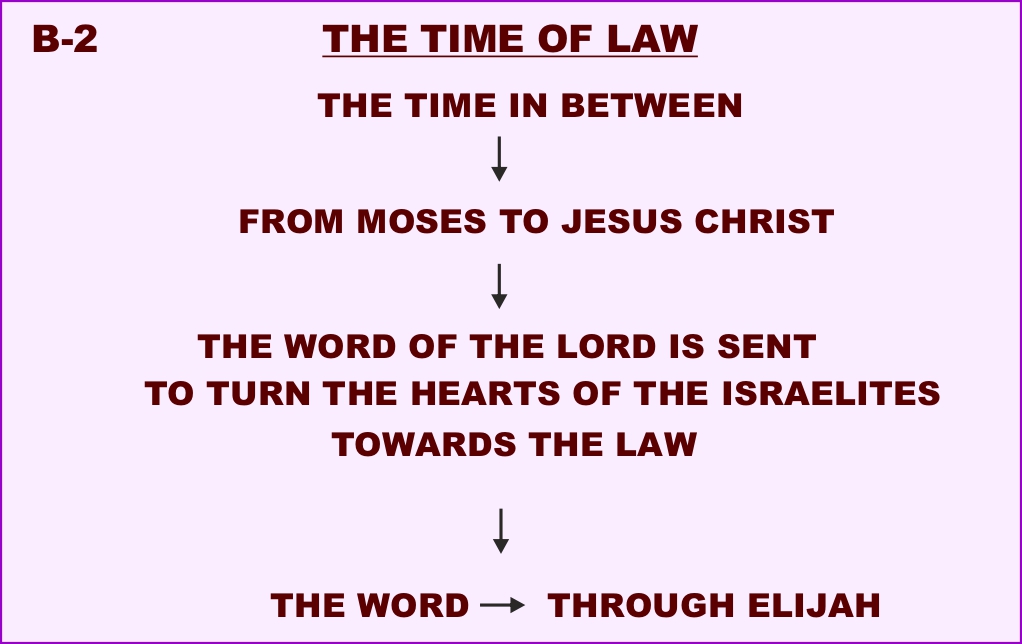
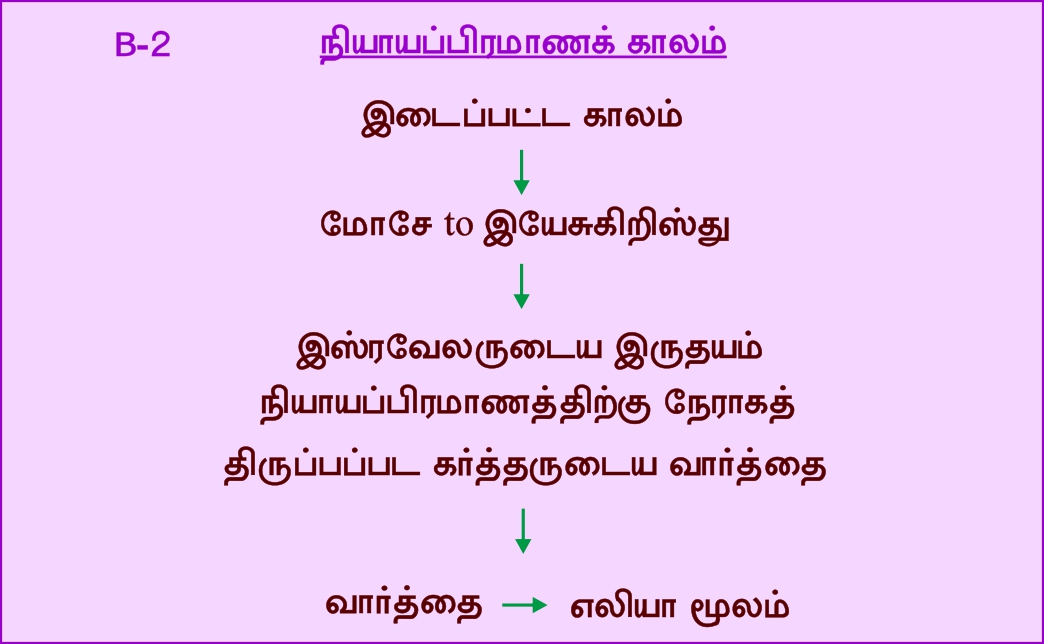
The Law given through Moses was fulfilled by the Lord Jesus Christ. The Israelites did not follow the Law fully. Their hearts turned away from the Lord. Where their hearts began to turn away from the Lord, there came the Word of the Lord. In the in between time from Moses to Jesus Christ, the Word of the Lord came to Elijah, the Tishbite, in order that the hearts of the Israelites be turned toward the Lord.
In 1 Kings 21: 28, it is said like this:
“And the word of the LORD came to Elijah the Tishbite, saying,”
In the in between time of the Law, the Word of the Lord was sent through Elijah. It was sent to turn the hearts of the Israelites towards the law. The law was the Word of that day. The Word is the Lord. That day, Jehovah was the name of that Word. Elijah asked the Israelites to walk according to the law, in order that the Israelites must turn towards the law. Fire descended on the altar. The Israelites proclaimed that the Lord is God; the Lord is God. The Lord who answered by fire was the real God. The Lord Jehovah witnessed by fire. The hearts of Israelites turned towards the law. The Law was the Word; the Law was the Lord. Those who walked by the law entered into the land promised to their fathers. They will enter into the land which Abraham, Isaac and Jacob will inherit. When the Israelites were despondent, the Word was sent to strengthen them. That day the Voice of that Word was Elijah. The meaning of the word Elijah is ' ZEAL'. He was very zealous.
In 1 Kings 18: 17-19, it is said like this:
“And it came to pass, when Ahab saw Elijah, that Ahab said unto him, Art thou he that troubleth Israel?
And he answered, I have not troubled Israel; but thou, and thy father’s house, in that ye have forsaken the commandments of the LORD, and thou hast followed Baalim.
Now therefore send, and gather to me all Israel unto Mount Carmel, and the prophets of Baal four hundred and fifty, and the prophets of the groves four hundred, which eat at Jezebel’s table.”
In 1 Kings 18: 40, it is said like this:
“And Elijah said unto them, Take the prophets of Baal; let not one of them escape. And they took them: and Elijah brought them down to the brook Kishon, and slew them there.”
Elijah made 450 prophets of Baal to assemble together and challenged them. Though he knew that Jezebel would kill him, if he was caught by her, he had a zeal in him. He brought all the 450 prophets of Baal down to the brook Kishon and slew them there. Elijah, the one, who was zealous for the Lord was sent to turn the hearts of the people to the Lord.
Moses was an angel. Similarly, Elijah was also an angel. When the Lord commands to announce a thing, the one who announces it is an angel. “Elijah is a chicken-hearted man. All the people are despondent. Therefore, turn them towards me. Then only they will get salvation”. When the Lord commanded thus, that body of flesh which had the spirit of Elijah rose up with courage to fulfill the command of the Lord whatever happened. See, after accomplishing what the Lord had commanded he ran and hid himself. When the Lord commanded, he had no feeling of fear; otherwise, fear began to come to him by itself. When the spirit rises up in himself, there is no fear in him. When that spirit is not risen up in him, he is an ordinary man.
In 1 Kings 21:20, it is said like this:
“And Ahab said to Elijah, Hast thou found me, O mine enemy? And he answered, I have found thee: because thou hast sold thyself to work evil in the sight of the LORD.”
Ahab said to Elijah, “O mine enemy”. What evil did Elijah do to Ahab? Did he do any deeds against the Kingdom of Ahab? No! But yet Ahab said to Elijah, “O mine enemy!” As for Ahab and Elijah, in between them, as regard in flesh, there is no enmity. Elijah did not take any of the things of Ahab and Ahab did not take anything of Elijah too. Then, why did Ahab say to Elijah, “O, mine enemy!”? The deeds of Ahab were hateful deeds to Elijah. Why Elijah hated those deeds means the Lord hated those deeds. Therefore, the servant of the Lord, Elijah too hated those deeds. As Elijah hated the deeds which were against the Lord, Elijah became the enemy of Ahab.
Ahab was a good man. But it was Jezebel who was standing behind Ahab and inducing him in a way that Elijah hated.
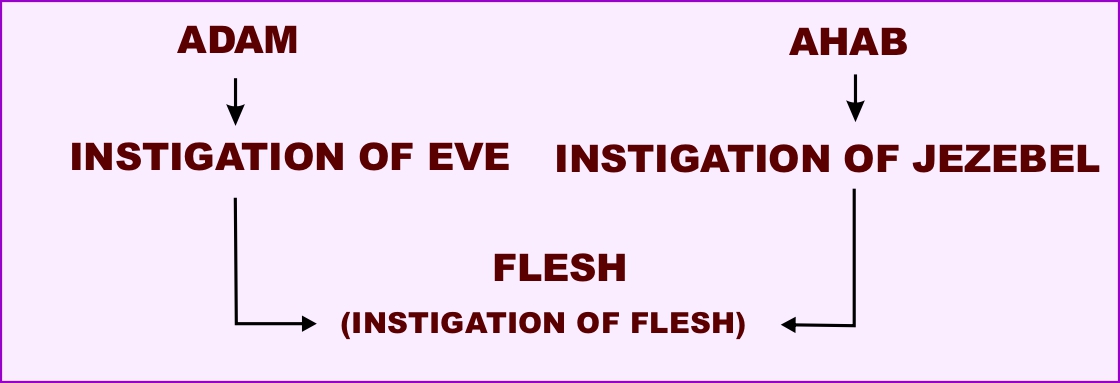
Jezebel instigated Ahab to sin. Eve subjected Adam into lust. First Eve and then Jezebel; at the completion of the Old Testament Herodias. As the mind of Jews was a mind similar to the deeds of Herodias, I proclaim that the believers of the Jerusalem at the completion of the Old Testament are as Herodias. At the completion of the New Testament also, the same kind of mind will be seen among the believers of the church. Therefore, the Bible witnesses the believers of the church, as the woman who has sat on the beast. Meaning of 'Eve' and 'Jezebel' is 'Carnal' or 'Flesh'. Flesh means a mind appropriate to carnality. That was the instigation of Eve.
In Deut. 8: 3, it is said like this:
“And he humbled thee, and suffered thee to hunger, and fed thee with manna, which thou knewest not, neither did thy fathers know; that he might make thee know that man doth not live by bread only, but by every word that proceedeth out of the mouth of the LORD doth man live.”
'Man does not live by bread only, but by the Word also'. Do you all believe this word? You should neither eat nor drink for 30 years. Is it possible for you? If you say, you can do this; it means that you are speaking contrary to the Word. It is like you are tempting the Lord. The Bible is not written for the natural man. Adam who is marked as the first man in the Bible was the first man who had received the soul. There had been men living on this earth thousands and thousands of years before Adam. In the books of Moses, in the first chapter of Genesis, it has been described about all the creations created by God.
Moses was an angel. He was the one who was sent by the Lord. He did what the Lord had commanded and sent him to do. Likewise, only the one, who had received the commands from the Lord to do them, can understand the meaning of books of Moses. To others, they are hidden things. One can not understand the things proclaimed by Moses except by that wisdom, with which Moses wrote those things. In that case, to know these things one should need that wisdom with which these are written. That wisdom is not the wisdom of earth. That wisdom is sent from heaven. In that case, except by the wisdom sent from heaven, one can not understand the mysteries of the Word. It does not mean that any body of flesh becomes glorious because it has known the mysteries of the Word. That is also an ordinary body. What happened to the body of flesh of Moses? The Lord buried it. The Word says so. (Deut.34:5, 6).
That which is related to eternal life is higher than the thing of carnality or flesh. It is given in the Truth. That is the real light which quickens a man. It is said here that a man does not live by bread only, but he will live by the Word also. The soul is in the body of flesh similar to the soil. Without the body of flesh, a soul is not born. A body of flesh is compulsorily needed for begetting a soul. Bread is needed only for the growth of the body. But the Word is needed for the growth of the soul.
There are two things:
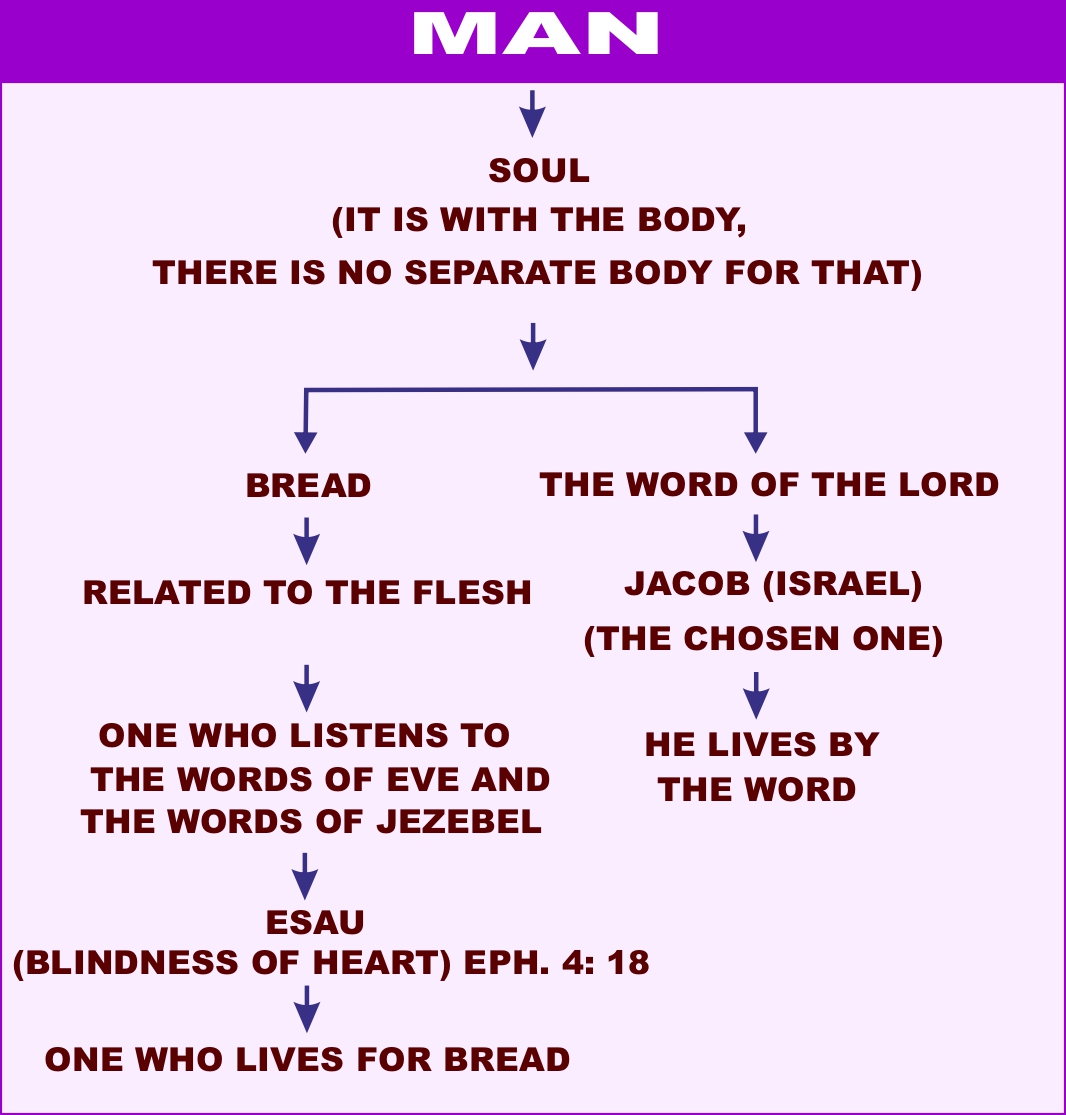
If a man with a soul comes to the Lord only for the things of the flesh, it is he who is Esau. Esau is one who has a body of flesh with a soul that searches only for that which truth witnesses that it can not survive. The souls that seek the Lord for bread pay attention to the words of Eve. One who is dependent on Eve and Jezebel loses his rights of heritage, for the sake of bread. Esau also was called for life. But he was the one who neglected the inheritance of Eternal Life. Jacob was ordained for Eternal Life. He was the chosen one.
1. One who lives by the Word:
There is life in the Word. One who believes that Word, which has life, is ordained for Eternal life. The eternal life is not related to the flesh. Without getting into second death, taking rest in paradise, it is a state which is going to be judged, before the Lord and before His throne in the kingdom of heaven. A Recompense will be given to everyman in heaven according as his work shall be. Only he, who is going to experience such a recompense in heaven, lives by the word.
2. One who lives for bread:
There is another group of people. They are believers who have characteristics of Esau. They accept only the things related to the flesh. They give importance only to the things of flesh. We read in the Bible that Esau despised his birthright of eternal glory which had been commanded to him for the things of flesh. He was the one who slighted or despised.
In Gen. 25: 34, it is said like this:
“Then Jacob gave Esau bread and pottage of lentiles; and he did eat and drink, and rose up, and went his way: thus Esau despised his birthright.”
Esau was the one who despised his birthright. Esau is one who obeys the teaching of Eve and the words of Jezebel. Esau was one who married a wife from a cursed place.
In Eph.4: 18, it is said like this:
“Having the understanding darkened, being alienated from the life of God through the ignorance that is in them, because of the blindness of their heart:”
Esau became an alien because of the blindness of his heart. Esau despised his birthright because of blindness of his heart. Blindness of heart means a state of ignorance of the worth of eternal life. Jacob is ordained for life. He was the one who believed the Word. Because, he was the one who puts his keen desire on the Word, called 'bread'. All people who put their longing for the flesh and are seen blind in their heart are Esaus. Those who listen to the Word are ordained for life. They are Jacobs. They are the chosen ones. Esau was one who was fixed for condemnation. A Christian is one who has a soul called the innerman. There are two kinds of Christians who have the soul.
Jacob is one who had a longing for eternal life; because, he is the chosen one.
Those who are chosen, believe the Word.
In Luke 3: 2, it is said like this:
“Annas and Caiaphas being the high priests, the word of God came unto John the son of Zacharias in the wilderness.”
We have seen about the Law. The end of the Law was Jesus Christ. The Law was brought through Moses. The law was fulfilled and completed by the Lord Jesus Christ. The one who was sent before Jesus Christ was John the Baptist. The Word came into John the Baptist. That Word said, “Behold, the Lamb of God which takes away the sin of the World”. The Word which came into him said, “O, generation of vipers, who hath warned you to flee from the wrath to come?” The Word which came into him said, “Do not say Abraham is our father; but do the works similar to those of Abraham”. This Word was not of his. He was not that light. He had come to bear witness of that light.
In John 1: 8, it is said like this:
“He was not that Light, but was sent to bear witness of that Light.”
He was not that light; he was a witness of that light. LIGHT = WORD. There was life in that Word. That life was the light of men. John was the witness to that light. He was not that light. Light means the Word. In that case, the Word that was spoken was not the word of John the Baptist. John the Baptist was not the light. As that Word came into him, the light of that Word made him shine. The light of that Word gave life in him. Whoever accepted that light, they all changed into that which was meant for light. Even though he witnessed it, many did not accept that light. Because the deeds of men were evil, they did not accept that light. There came the Word. That Word showed the identity that He was the Messiah. The Word that came into John the Baptist showed the identity of the Word that was sent for that day. It showed the identity of the Word that was commanded to give salvation. That Word was Jesus Christ who was revealed in flesh.
In John 1: 14, it is said like this:
“And the Word was made flesh, and dwelt among us, (and we beheld his glory, the glory as of the only begotten of the Father,) full of grace and truth.”
Jesus Christ was the Word sent for that day. The one who witnessed about that Word was John the Baptist. He was not that Word. He was the witness for that Word.
In John 17: 14, it is said like this:
“I have given them thy word; and the world hath hated them, because they are not of the world, even as I am not of the world.”
The Lord Jesus Christ says that He gave the words of the Father to His disciples.
In John 17: 15, 17 it is said like this:
“I pray not that thou shouldest take them out of the world, but that thou shouldest keep them from the evil.
Sanctify them through thy truth: thy word is truth.”
Here, the Lord Jesus Christ speaks about three things. They are the words given to the Israelites.
When He was in flesh, He did not pray to the Father, that He should take all the Israelites who had accepted Him. He prayed that He should keep them from the evil. Further, He prayed that He should sanctify them through His truth. He prayed that He might sanctify them through His word which He sent. That Word, which was sent, was Jesus Christ the truth.
The Lord has commanded the same kind of Word in this time of completion to the chosen Christians who will be taken in His secret coming.
“Do not take them out of this world but keep them from evil.” This is the prayer that has been changed. Hereafter, if they stay on the earth, they will be polluted and destroyed. Therefore He prays that they may be taken away
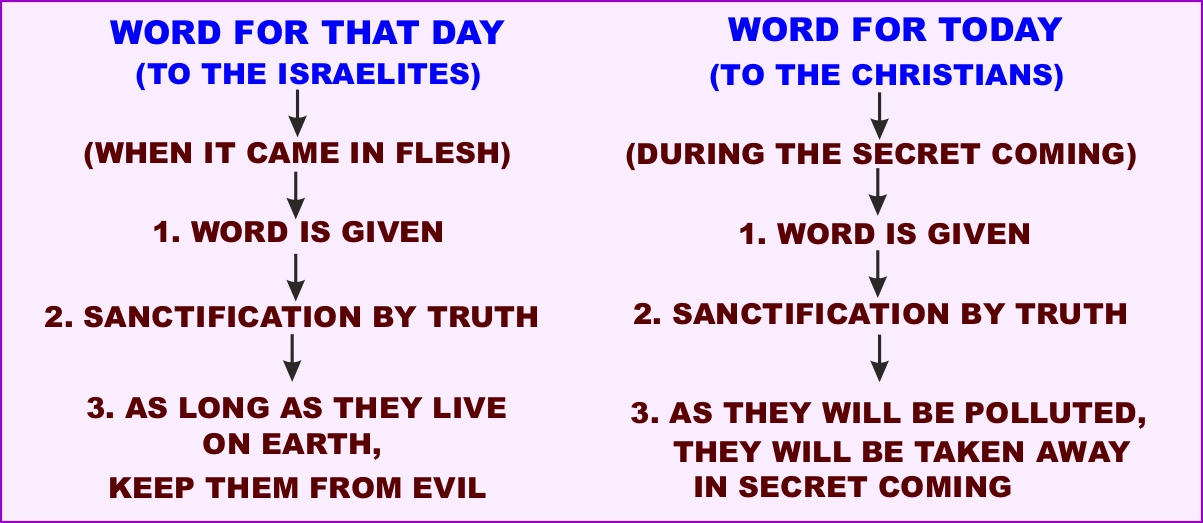
At the end of the Old Testament, the Word was given to the Israelites and the Lord sanctified them through that Word. Those who were sanctified in that way need not be taken away. He prayed that they might live on the earth and be kept by the Father. According to the Word, given to those Christians who had received grace and salvation through Jesus Christ, at the end of the New Testament, He prays that the bride may be taken away in the secret coming in the Last Testament because she will be polluted.
“Grace means birth of the soul.”
After the birth of the soul, called the grace, ended for the Israelites, it has come into us, the gentiles. From the very second when Jesus Christ, called the body of flesh formed, after this Word shadowed as the Holy Spirit in the womb of Mary, the grace ended for the Israelites, and this grace turned to the natural men.
Adam - 1st generation,
Moses - 29th generation, later part, (beginning of the law)
Joshua - 30th generation - earlier part,
Jesus Christ - 76th generation (End of grace for the Israelites; beginning of grace for the Christians)
The Law of grace continued upto 29th and earlier part of 30th generation from Adam. After that the time of the law started. When the grace ended for the Israelites, the law also ended. Since when the Word formed as a body of flesh, grace was given to the gentiles. Which justice the Lord had fixed to take part in the common wealth of the Father, and those who walked according to that justice, got into the place of that justice. Because, His judgement is according to His truth.
Heaven is His kingdom. He gives it to him who does the deeds which please Him. No one can claim the rights, by flesh saying, “Lord, give us also a place in your common wealth.” He gives that heritage to him, who follows, whatever kind of justice He has fixed.
LORD, both Esau and Jacob are the children of the same mother - They are the children of the same father. They are not yet born on the earth. They did not do their works. Why did you hate Esau? Why did you befriend Jacob? Thus we can not ask the Lord. If anyone asks Him such a question, he is the one who is Esau. Esau's works might be righteous according to the flesh. Jacob's works might be unrighteous according to the flesh. But, whom the Lord confesses as righteous, he is the righteous; and whom the Lord witnesses as wicked, he is the wicked.
Just think how our attitude of mind would be, if we had been the Jews in the days of Elijah. If we were a Jew in the days of Jesus Christ, how would we have been? Did all the Jews in the days of Jesus Christ accept Him? No!
We see about John the Baptist. He ate locusts and wild honey. Jesus Christ ate bread and wine. The things with which John the Baptist looked after his body of flesh were like things beyond the environment of an ordinary man. They were not similar to the deeds of other bodies of the flesh.
Among the revelations of the Lord, the main part is related to the seal of the thunder called “the Word”. Let the name of the Lord alone be glorified. May the Lord do His work! In the days of the trumpet sound of the seventh angel, the mystery of the Lord was fulfilled. The fulfilled mystery must be proclaimed. The time of proclamation of this fulfilled mystery is the time of the Last Testament.
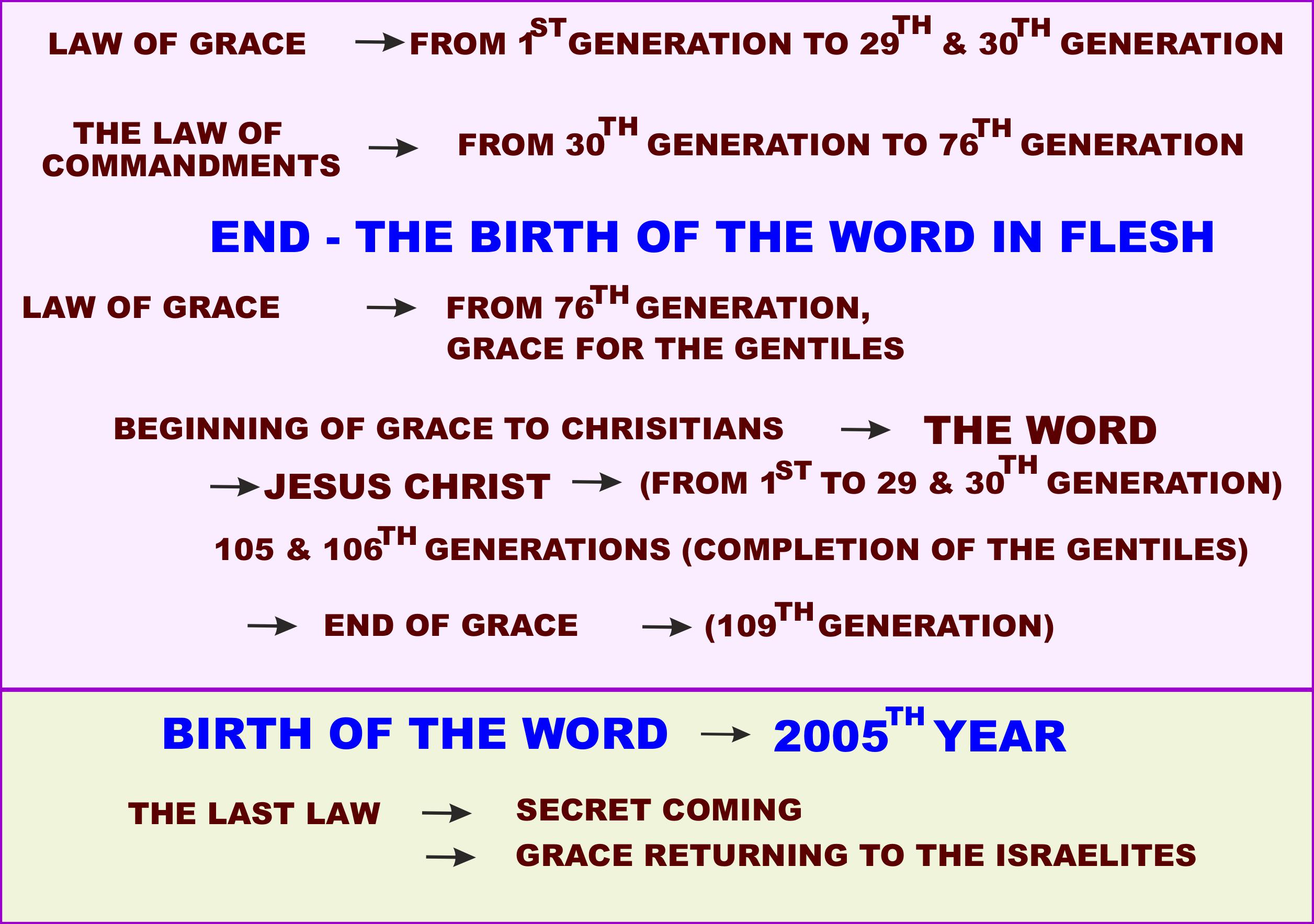
Fulfilled mystery of God:-
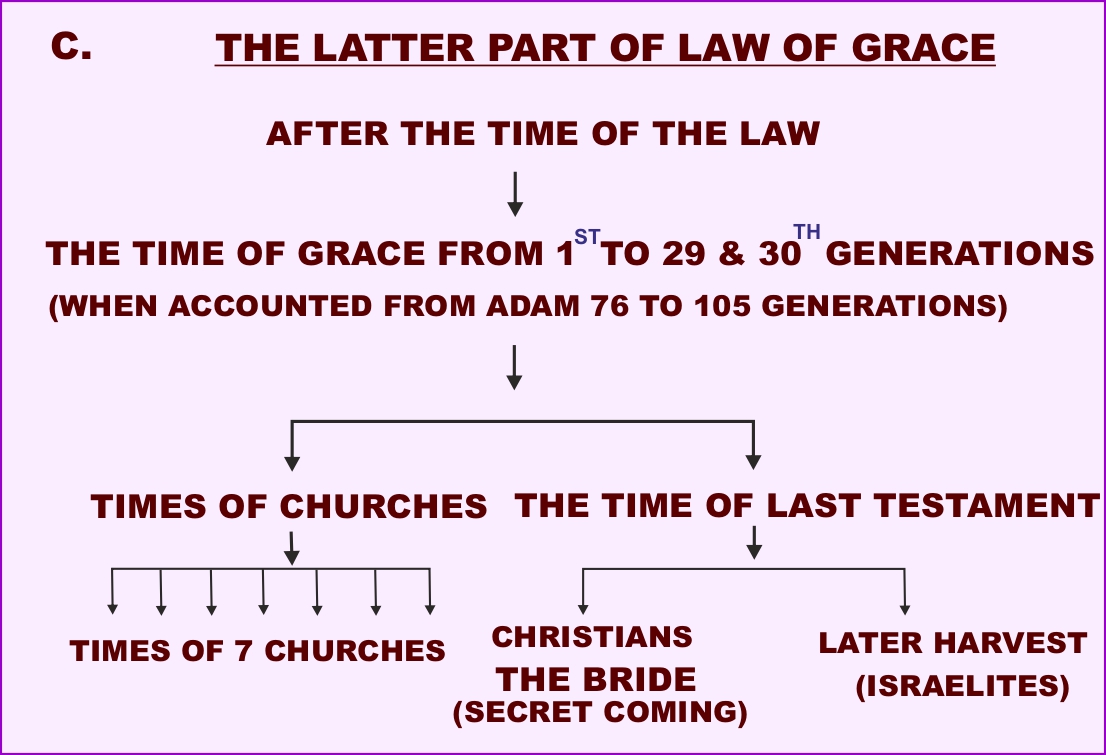
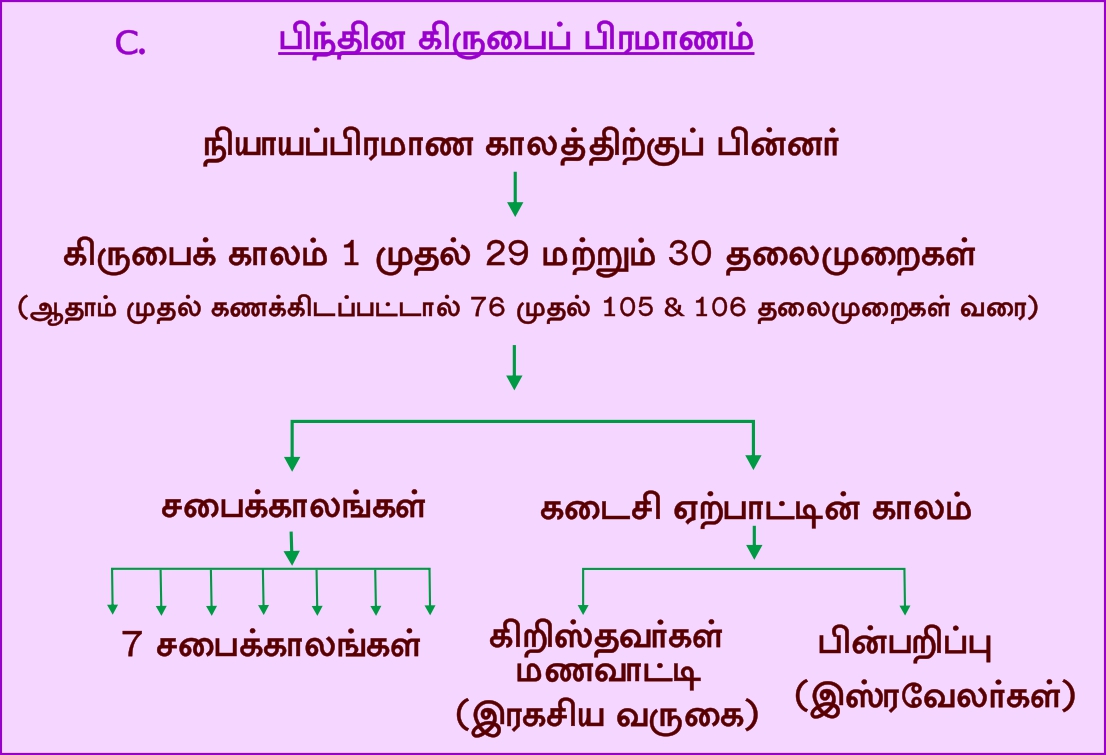
First, we saw that the Law of grace from the first generation to 29th and 30th generation; Second, the Law of commandments from 29th & 30th generations to the 76th generation. For the formation of Jesus Christ in flesh, that is, in the next second of the falling of seed the word in the womb of Mary, the grace called the eternal life of the Israelites came to an end. With the 76th generation, the time of the law of commandments was completed. After that, there was no grace for the descendants of Adam who was created as one with the soul. Grace was given to us who are natural men. The Law given to us is the Law of grace. The time of grace commanded to the gentiles is upto the time nearly about 29th & 30th generations after Jesus Christ. Only after these statutes are fulfilled, the secrets must be revealed and so they are sealed. Now, as these things are completed, the secrets are revealed by the Lord and proclaimed.
When the Law of commandments was fulfilled, the birth of the Word as flesh happened. The name to the Word that was born in that way was called the Lord Jesus Christ. In the same way, only through that Word, the Law of grace must be finished.
When the Word comes to completion, it should be born again. After the Word was born, grace must return into the Israelites who are the people of Law. In the Last Testament, the Word has already been born. Grace, that has returned into the Israelites, must be proclaimed.
This is the time for beautifying the bride. All the pre- happenings have been completed. The mystery of God has already been completed in the time of the seventh Church. The mysteries that were fulfilled are announced now. The time of the seventh Church is from 1906 A.D. to 2005 A.D. The mystery of God had already been fulfilled in the time of the seventh Church. The mystery of God had already been fulfilled with the time of the last Church. To announce the grace that has been thus fulfilled, this Word commanded by the Lord is openly announced. The time we are now living in, is the time of beautification. After His coming, the Christians will be more in number than they are now. Still more Churches will be built; still more Christian fellowships will rise; still more branches of Churches will arise. But, there will not be grace, namely, the birth of soul.
The birth and growth have been fulfilled already in the times of the seven Churches. This is the time of the Last Testament, when the matured bride might be beautified. The wise virgins are they who appear wearing the adornment of the bride. The wise virgins will be taken up along with the Bridegroom.
Amen! Amen!! Amen!!!
சங்கீதம் 24: 10 -ல் இவ்விதமாகக் கூறப்பட்டுள்ளது:
"யார் இந்த மகிமையின் ராஜா? அவர் சேனைகளின் கர்த்தரானவர்; அவரே மகிமையின் ராஜா."
யார் இந்த மகிமையின் ராஜா? அவர் சேனைகளின் கர்த்தரானவர். யாருடைய சேனைகளுக்கு அவர் ராஜா? கர்த்தரின் சேனைகளுக்கு அவர் ராஜா. யுத்தம் செய்யக்கூடிய வீரர்கள் அடங்கிய குழுவிற்கு சேனை என்று பெயர். அவரை சேனைகளின் கர்த்தர் என்று தாவீது கூறுகின்றார். தாவீதின் சேனைகளுக்குக் கர்த்தர் இந்த மகிமையின் ராஜா. அந்த மகிமையின் ராஜாவைக் குறித்து நாம் பார்க்கப்போகின்றோம். சேனைகள் பலவிதமாக இருக்கின்றது. இந்திய இராணுவம் நமது நாட்டின் சேனைகளாகும். வெவ்வேறு நாடுகளில் அவர்களுடைய நாட்டில் இருக்கக்கூடிய இராணுவங்கள் அவர்களுடைய சேனைகள் ஆகும். இங்கே தாவீது கூறுகின்றார்: சேனைகளின் கர்த்தர் என்று.
தாவீதிற்கு எதிராக எழும்பியிருக்கின்றான் சவுல். சவுல் கர்த்தரால் அபிஷேகம் பண்ணப்பட்டவன். அவன் இஸ்ரவேலருடைய சேனைகளுக்கு ராஜா. அவன் இஸ்ரவேலின் ராஜா. இஸ்ரவேலின் ராஜாவாகக் கர்த்தரால் அபிஷேகம் பண்ணப்பட்டவன்தான் சவுல்.
இஸ்ரவேலின் சேனைகள் முழுமைக்கும் அவர் கர்த்தர் அல்ல. இஸ்ரவேலின் சேனைகள் இருவிதமாய் பிரிக்கப்படுகின்றது:
1. சவுலின் சேனை,
2. தாவீதினுடைய சேனை.
இந்த மகிமையின் ராஜா தாவீதின் சேனைகளுக்குத்தான் கர்த்தர் (2 சாமு. 5: 10). ஏசாவிற்கும் அவர்தான் தேவன், யாக்கோபிற்கும் அவர்தான் தேவன், இஸ்மவேலுக்கும் அவர்தான் தேவன். அவரைத்தேடி கண்டடைகின்றவர்களும், கண்டடையாதிருக்கின்றவர்களும், அவரைக் குறித்து உணர்ந்தவர்களும், உணராதவர்களும், அவரை வழிபடுகின்றவர்களும், அவரை வழிபடாதவர்களும், அவரை ஏற்றுக்கொண்டவர்களும், அவரை மறுதலிக்கின்றவர்களும், இதுபோன்று அனைவருக்கும் அவர்தான் தேவன். இங்கே தாவீது பாடுகின்றான், தன்னுடைய சேனைகளுக்குத் தேவன் யேகோவா என்று. அந்தத் தாவீதின் சேனைகளின் கர்த்தரைப் பற்றி நாம் பார்க்கப்போகின்றோம்.
ஆதி. 15: 1, 4-ல் இவ்விதமாகக் கூறப்பட்டுள்ளது:
"இந்தக் காரியங்கள் நடந்தபின்பு, கர்த்தருடைய வார்த்தை ஆபிராமுக்குத் தரிசனத்திலே உண்டாகி, அவர்: ஆபிராமே, நீ பயப்படாதே; நான் உனக்குக் கேடகமும், உனக்கு மகா பெரிய பலனுமாயிருக்கிறேன் என்றார்.
அப்பொழுது கர்த்தருடைய வார்த்தை அவனுக்கு உண்டாகி: இவன் உனக்குச் சுதந்தரவாளியல்ல, உன் கர்ப்பப்பிறப்பாயிருப்பவனே உனக்குச் சுதந்தரவாளியாவான் என்று சொல்லி,"
கர்த்தருடைய வார்த்தை இங்கே ஆபிரகாமிற்கு உண்டாகின்றது. தீர்க்கதரிசன ஆகமங்களிலும், மற்ற வேத பகுதிகளிலும் பார்த்தோமானால் தீர்க்கதரிசன காரியங்கள் அறிவிக்கப்படும்போது, "கர்த்தருடைய வார்த்தை உண்டாகி" என்று கூறப்பட்டிருக்கின்றது. கர்த்தருடைய வார்த்தை எலியாவுக்கு உண்டாகி (1 இராஜா. 18: 1), கர்த்தருடைய வார்த்தை ஏசாயாவுக்கு உண்டாகி (2 இராஜா. 20: 4), கர்த்தருடைய வார்த்தை எரேமியாவுக்கு உண்டாகி (எரே. 33: 23), கர்த்தருடைய வார்த்தை எசேக்கியேலுக்கு உண்டாகி (எசே. 1: 3) என்பதாகக் கூறப்பட்டுள்ளதைக் காணலாம். கர்த்தருடைய வார்த்தை எப்படி உண்டாகின்றது? ஆபிரகாமிற்குக் கர்த்தருடைய வார்த்தை உண்டாகியது. அது என்ன வார்த்தை என்றால், "உன் கர்ப்பப்பிறப்பே உனக்குச் சுதந்தரவாளி" என்பது. உன் கர்ப்பப்பிறப்பாயிருப்பவனே, நான் உனக்கு வாக்குக் கொடுத்திருக்கின்ற சுதந்தரத்தினில் பங்கடையப்போகின்றவன். இந்த வார்த்தை ஆபிரகாமிற்குள் உண்டாயிற்று. ஆபிரகாமிடத்தில் உண்டான கர்த்தருடைய வார்த்தைக்கு, ஆபிரகாம் ஒரே ஒரு கிரியையினை மாத்திரம் செய்தான்.
ஆதி. 15: 6-ல் இவ்விதமாகக் கூறப்பட்டுள்ளது:
"அவன் கர்த்தரை விசுவாசித்தான், அதை அவர் அவனுக்கு நீதியாக எண்ணினார்."
ஆபிரகாம் விசுவாசித்தான்; அது அவனுக்கு நீதியாக எண்ணப்பட்டது. ஆபிரகாம் தன்னிடத்தில் உண்டான கர்த்தருடைய வார்த்தையினை விசுவாசித்தான். அந்த வார்த்தையினை விசுவாசித்ததுதான் அவனுக்கு நீதியாக எண்ணப்பட்டது. அதனால்தான் அவன் நீதிமான் என்று சாட்சியிடப்பட்டான். ஆபிரகாம் செய்த கிரியை ஒன்றே ஒன்றுதான். அது அவன் தன்னிடத்தில் உண்டான கர்த்தருடைய வார்த்தையினை, தனக்குக் கட்டளையிடப்பட்ட கர்த்தருடைய வார்த்தை என விசுவாசித்து, அதன்படிச் செய்தான். அந்த விசுவாசம்தான் அவனுக்கு நீதியானது. ஆபிரகாமிற்குள் உண்டான கர்த்தருடைய வார்த்தை எழுத்து வடிவத்தில் கொடுக்கப்படவில்லை. அந்த வார்த்தை அவனுடைய மாமிச சரீரத்தினுள் வந்தபோதும் அது கர்த்தருடைய வார்த்தையாய் எழும்பிற்று. தன்னுடைய மகனைப் பலியிடவேண்டும்; இது கர்த்தருடைய வார்த்தையாய் அவனுக்குக் கட்டளையிடப்பட்டது. அவன் அந்த மலையினில் தன்னுடைய குமாரனைப் பலியிடச் சென்றான். இப்படியாகக் கர்த்தர் எவைகளையெல்லாம் கட்டளையிட்டாரோ, அவைகளையெல்லாம் அவன் விசுவாசித்தான். அப்படியாக விசுவாசிக்கக் கட்டளையிடப்பட்ட காரியம் அவனுக்குச் சாதகமாக இருந்ததா, இல்லையா அல்லது அந்தக் காரியங்கள் தனக்கு நன்மையானவற்றினைத் தருமா, இல்லையா என்பவற்றினைக் குறித்து அவன் சிந்தித்துச் செயல்படவில்லை. தனக்குள் உண்டாயிருக்கின்ற கர்த்தருடைய வார்த்தை நிறைவேறும் என்று விசுவாசித்தான். அதுதான் அவனுக்கு நீதியாக எண்ணப்பட்டது. கல்தேயருடைய தேசத்தினை விட்டு நீ புறப்பட்டுப்போ; நான் உனக்குக் கொடுக்கப்போகின்ற அந்த தேசத்தில் உன்னைக் குடியமர்த்துவேன்; நீ உன் இனத்தாரையும், உன் தகப்பன் வீட்டையும், மற்ற யாவரையும் விட்டு நான் உனக்குக் காண்பிக்கின்ற தேசத்திற்குப் புறப்பட்டுப் போ என்பது கர்த்தர் அவனுக்குக் கட்டளையிட்ட வார்த்தை (ஆதி. 12: 1). ஆபிரகாம் கல்தேயருடைய தேசத்தில் தன்னுடைய இனத்தார், ஜனத்தார், தன்னுடைய உறவுகள் அனைவரையும் விட்டுவிட்டு, கர்த்தருடைய வார்த்தையினை விசுவாசித்து அதன்படியாகப் புறப்பட்டுச் சென்றான். அது அவனுக்கு நீதியாக எண்ணப்பட்டது. அதுதான் ஆபிரகாமின் விசுவாசம்.
விசுவாசம் என்பது, எல்லாச் சூழலும் சாதகமாக இருப்பதைக் கொண்டு இது கர்த்தர் செய்கின்ற காரியமாகத்தான் இருக்கும் என்று தீர்மானிப்பது அல்ல. விசுவாசிக்க வேண்டும் என்பதற்காகக் கொடுக்கப்படுகின்ற வார்த்தை நிறைவேறத்தக்கதான சாத்தியம் இல்லாதிருந்தாலும், அந்த வார்த்தையின்மீது வைக்கின்ற விசுவாசம்தான் நீதி. அதைத்தான் ஆபிரகாம் அன்று செய்தான்.
கல்தேயர் தேசத்தினை விட்டுப் புறப்பட்டுச் சென்றால், நாம் எங்கே சென்று தங்கப்போகின்றோம், எப்படியாக ஜீவிக்கப்போகின்றோம், எப்படியாக வாழ்க்கையினை நடத்தப்போகின்றோம், பணியாட்களை வைத்து என்ன செய்யப்போகின்றோம், இப்படியாக எதையும் அவன் சிந்திக்கவில்லை. வார்த்தை உண்டாயிற்று. அதை விசுவாசித்தான், அதின்படியாகக் கிரியைகளைச் செய்தான், அதுதான் அவனுக்கு நீதியானது. ஆபிரகாமிற்குக் கட்டளையிடப்பட்ட வார்த்தைகள் அனைத்தினையும் ஆபிரகாம் விசுவாசித்தான். விசுவாசமார்க்கத்தார் ஆபிரகாமின் சந்ததி. எவைகளை விசுவாசிப்பது? அதுதான் கேள்வி. விசுவாசமார்க்கத்தார் ஆபிரகாமுடைய சந்ததிகள். கிறிஸ்தவர்கள் எல்லோரும் விசுவாசிகள்தான். விசுவாசியாதவன் கிறிஸ்தவனாக இருக்கமுடியாது. கிறிஸ்து உண்டென்று அவன் விசுவாசிக்கின்றான். கிறிஸ்து தனக்காகப் பாடுபட்டு, சிலுவையில் அறையப்பட்டு மரித்து, மூன்றாம் நாளில் உயிரோடே எழும்பினார் என்பவைகளை விசுவாசிக்கின்றான். இப்படியாக விசுவாசியாதவன் கிறிஸ்தவன் அல்ல. இந்த விசுவாசம் மாத்திரம் நீதியாக எண்ணப்படுமா? வார்த்தை என்ன கூறுகின்றது? கல்தேயர் தேசத்தினைவிட்டு கடந்துவரக் கூறினீரே, நான் வந்துவிட்டேன். இனி என்னிடத்தில் நீர் எந்தக் காரியத்தினைக் குறித்தும் கட்டளையிடவேண்டாம்; நீர் ஏற்கனவே கட்டளையிட்டதை நான் செய்து முடித்துவிட்டேன் என்று ஆபிரகாம் கூறவில்லை. அதினதின் காலத்தில் கட்டளையிடப்பட்ட காரியங்களை அதினதின் காலத்தில் அவன் விசுவாசித்து, அதன்படியான கிரியைகளைச் செய்தான். அது அவனுக்கு நீதியாக எண்ணப்பட்டது.
இங்கே அவனுக்குள் ஒரு வார்த்தை உண்டாயிற்று. தன் வீட்டில் உள்ள தன்னுடைய காரியங்கள் யாவையும் பார்த்துக்கொண்டிருக்கும் எலியேசர் தனக்கு மகனாக இருப்பான் என்று அவன் நினைத்தான். ஆனால், கர்த்தருடைய வார்த்தை அவனுக்குள் உண்டாகி: இவன் உனக்குச் சுதந்தரவாளி அல்ல, உன் கர்ப்பப்பிறப்பாய் இருப்பவனே உனக்குச் சுதந்தரவாளியாவான் என்று (ஆதி. 15: 3, 4). கர்ப்பப்பிறப்பு என்றால் ஆகாரிடத்தினில் பிறந்த இஸ்மவேலும் ஆபிரகாமின் கர்ப்பப்பிறப்புதான். அவனும் ஆபிரகாமின் வித்துதான். ஆனால், அவனிடத்தில் சுதந்தரம் இல்லை. உன் மனைவியாகிய சாராள் ஒரு குழந்தையினைப் பெறுவாள். அவன்தான் உனக்குச் சுதந்தரவாளி, அவன்தான் சுதந்தரத்திற்குரியவன். இப்படியாகக் கட்டளையிடப்பட்ட அந்த வார்த்தையையும் அவன் விசுவாசித்தான். ஆபிரகாம் தனக்கென்று கட்டளையிடப்பட்ட ஒவ்வொரு வார்த்தையினையும் விசுவாசித்தான். அவைகள் எந்தெந்தக் காலங்களில், அவன் எவை எவைகளைச் செய்யவேண்டும் என்று கட்டளையிட்டதோ, அதற்குக் கீழ்ப்படிந்தான். அந்த வார்த்தையை அவன் விசுவாசித்தான். அதுதான் ஆபிரகாமிற்கு நீதியாக எண்ணப்பட்டது.
ஆபிரகாமின் குமாரனாகிய ஈசாக்கினுடைய கிரியை, தன் தகப்பனின் விசுவாசத்திற்கு ஒத்த ஒரு கிரியை, தன் தகப்பன் எவைகளையெல்லாம் விசுவாசிக்கக் கூறினானோ, அவைகளையெல்லாம் அவன் விசுவாசித்தான். தன் தகப்பனை நம்பினான், தன் தகப்பனுடைய பிதாவாகிய தேவனை நம்பினான். ஈசாக்கின் குமாரனாகிய யாக்கோபின் கிரியைகளைப் பார்த்தீர்களென்றால், மாமிசத்தின்படியாகச் செய்யப்பட்ட ஏசாவின் கிரியைகளைக் காட்டிலும் அவைகள் நற்கிரியைகளாக இல்லை. ஆனால், ஆபிரகாம் எந்த விசுவாசத்தைக் கொண்டிருந்தானோ, அந்த விசுவாசத்தினை யாக்கோபு கொண்டவனாகக் காணப்பட்டான். தாய் தகப்பன், இனத்தைவிட்டு கடந்து செல்லவேண்டிய ஒரு நிலையில், லாபானுடைய ஸ்தலத்திற்குச் செல்கின்றான். அதற்கு முன்பாக பெத்தேலில் படுத்திருக்கின்றான். வானத்திலிருந்து தேவதூதர்கள் ஏறியிறங்குவதைக் காண்கின்றான். வெறும் கோலோடு கடந்து சென்றவன், ஆசீர்வாதங்களோடு திரும்பி அதே இடத்திற்கு வருகின்றான். யாக்கோபு தன் தகப்பனுடைய தேவன் கட்டளையிட்டவைகளை விசுவாசித்தான். தன் தகப்பனாகிய ஈசாக்கு, தனக்குக் கட்டளையிட்டவைகளை விசுவாசித்தான். தன் தாயாகிய ரெபேக்காள் தனக்குக் கட்டளையிட்டதை விசுவாசித்தான். தனது முற்பிதாக்களுக்குக் கட்டளையிடப்பட்ட அதே கிரியைகளை அவன் செய்து கொண்டிருக்கவில்லை. தனக்குக் கட்டளையிடப்பட்ட வார்த்தைக்கு ஒத்த கிரியைகளைச் செய்தான்.
கர்த்தர் கட்டளையிட்டபடி என் தகப்பன் கல்தேயர் தேசத்தினை விட்டுக் கடந்து சென்றார், நானும் கல்தேயர் தேசத்திற்குள் திரும்பிச் செல்வதில்லை என்று ஆபிரகாமின் அந்தக் கிரியையினை மாத்திரம் ஈசாக்கும், யாக்கோபும் செய்யவில்லை. கர்த்தர் தங்களுக்கெனக் கட்டளையிட்ட வார்த்தைகளுக்கொத்த கிரியைகளைச் செய்தார்கள். இன்றைய கிறிஸ்தவர்களின் மனோநிலை எப்படி இருக்கின்றது என்பதைச் சற்று சிந்தித்துப் பாருங்கள். என் தகப்பன் கிறிஸ்தவனாய் மாறிய இந்தக் கிறிஸ்தவ மதத்தில் நானும் இருக்கின்றேன். நானும் கல்தேயர் தேசத்திற்குள் திரும்பிப்போகவில்லை. புறஜாதிகளுடைய தேவர்களைப் பின்பற்றவில்லை. இதில் நான் உறுதியாக இருக்கின்றேன். இப்படியான விசுவாசம் கொண்டிருப்பார்களேயானால், அவர்கள் கர்த்தருக்கு முன்பாக நீதிமான்களாக எண்ணப்படமாட்டார்கள் என்றே வார்த்தை சாட்சியிடுகின்றது; யாக்கோபு வாக்குத்தத்தம் பெற்ற தனது தகப்பனாகிய ஈசாக்கினை விட்டுவிட்டு லாபானிடத்திற்கு ஓடவேண்டிய நிலை இருந்திருக்காது. அவர்கள், கர்த்தர் தங்களுக்கென்று கட்டளையிட்ட வார்த்தையினிடத்தில், தங்கள் தகப்பனாகிய ஆபிரகாம் விசுவாசித்ததுபோல விசுவாசம் வைத்தார்கள். விசுவாசத்தில் ஆபிரகாமின் கிரியைகளுக்கு ஒத்த கிரியைகளாக இருந்தது; அது தங்களுக்கென்று கட்டளையிடப்பட்ட வார்த்தையின்மீது இருந்தது. ஆபிரகாம் செய்த அதே கிரியைகளினை இவர்களும் செய்துகொண்டிருக்கவில்லை. சூழல் தனக்குச் சாதகமாக இல்லாதிருந்தபோதும் ஆபிரகாம் எப்படியான தன்மையில் விசுவாசித்தானோ, அதே தன்மையிலான விசுவாசத்தின் மூலம் தங்களுக்குக் கட்டளையிடப்பட்ட பிரமாணத்தினை நிறைவேற்றுவதில் உறுதியாய் இருந்தார்கள்.
யாத். 24: 3-ல் இவ்விதமாகக் கூறப்பட்டுள்ளது:
"மோசே வந்து, கர்த்தருடைய வார்த்தைகள் யாவையும் நியாயங்கள் யாவையும் ஜனங்களுக்கு அறிவித்தான்; அப்பொழுது ஜனங்கள் எல்லாரும் ஏகசத்தமாய்: கர்த்தர் அருளின எல்லா வார்த்தைகளின்படியும் செய்வோம் என்று பிரதியுத்தரம் சொன்னார்கள்."
மோசேயிடம் கர்த்தருடைய வார்த்தை உண்டாயிற்று. மோசேக்கு உண்டான கர்த்தருடைய வார்த்தைக்கு நியாயப்பிரமாணம் என்று பெயர். நியாயப்பிரமாணம் மோசேயின்மூலம் கொடுக்கப்பட்டது. இயேசு கிறிஸ்துவும் இவைகளைச் சாட்சியிடுகின்றார்.
யோவா. 1: 17-ல் இவ்விதமாகக் கூறப்பட்டுள்ளது:
"எப்படியெனில் நியாயப்பிரமாணம் மோசேயின் மூலமாய்க் கொடுக்கப்பட்டது, கிருபையும் சத்தியமும் இயேசு கிறிஸ்துவின் மூலமாய் உண்டாயின."
மோசேக்குள் உண்டான கர்த்தருடைய வார்த்தை நியாயப்பிரமாணமாக வெளிப்பட்டது. அன்று நியாயப்பிரமாணத்தினைக் கொடுக்கக் கர்த்தர் தெரிந்தெடுத்த மாமிச சரீரம் மோசேயின் சரீரம். இஸ்ரவேலர்கள் அவைகளைக் கேட்டு, அவைகளின்படி நடக்கவும், அவைகளைப் பின்பற்றவும் இந்தப் பிரமாணம் மோசேயினிடத்தில் கர்த்தரால் வெளிப்படுத்தப்பட்டது.
கிறிஸ்துவுக்குள் அருமையானவர்களே, ஆபிரகாமிற்குக் கொடுக்கப்பட்ட வார்த்தை, ஈசாக்கோடு செய்துகொண்ட உடன்படிக்கை, யாக்கோபிற்குக் கட்டளையிடப்பட்ட கிருபை, இவையாவும் முன்குறித்தலினால் கிடைக்கப்பெற்றவைகள். இஸ்ரவேலர்கள் தன்னைப் பின்பற்றக் கர்த்தரால் கொடுக்கப்பட்ட வார்த்தை நியாயப்பிரமாணம். இந்தக் கர்த்தருடைய வார்த்தை பிரமாணமாய் மோசேயின் மூலம் கொடுக்கப்பட்டது. மோசேயின் மூலமாகக் கொடுக்கப்பட்ட இந்தப் பிரமாணம், ஒரு வேறுபிரிக்கப்பட்ட ஜனம் பின்பற்றுவதற்காகக் கொடுக்கப்பட்டது. அந்த ஜனம் இஸ்ரவேலர்கள்.
ஆபிரகாமிற்குக் கட்டளையிடப்பட்ட வார்த்தை அவன் கிரியை செய்யும் பொருட்டுக் கொடுக்கப்பட்டது. ஈசாக்கினிடத்தில் கொடுக்கப்பட்டது ஈசாக்கின் கிரியைகளுக்காகக் கட்டளையிடப்பட்டது; யாக்கோபிற்குக் கொடுக்கப்பட்டது யாக்கோபின் கிரியைகளுக்காகக் கட்டளையிடப்பட்டவைகள்; ஏனோக்கிற்குக் கட்டளையிடப்பட்டது ஏனோக்கு கிரியை செய்வதற்காகக் கொடுக்கப்பட்டது. ஆனால், மோசேயின் மூலம் கொடுக்கப்பட்ட இந்தப் பிரமாணம் நீயும், உனக்குப் பின்வரும் உன் சந்ததிகள் அனைவரும் கடைப்பிடிக்க வேண்டும் என்று கட்டளையிடப்பட்ட பிரமாணம் ஆகும். இது நித்திய கட்டளையாய் கட்டளையிடப்பட்ட பிரமாணமாகும். இந்த நியாயப்பிரமாணக் காலம் ஒரு நீண்ட கால அளவு உள்ளதாகும். அதற்கு முன்னர் கட்டளையிடப்பட்ட காரியங்கள் அனைத்தும் சிறிய கால அளவினதாகும். இந்தக் கனியினைப் புசிக்காதே; அது ஆதாமின் சந்ததியில் வேறொரு வித்து உருவாகுவதற்கு முன்னர் வரையிலும் கட்டளையிடப்பட்ட ஒரு பிரமாணம். அது உருவான பின்னர், இரு ஜாதிகளாகப் பிரிக்கப்பட்டது. இவைகள் தேவதிட்டம். அதன்பின்னர், வெவ்வேறு கட்டளைகள் வெவ்வேறு காலங்களில் கொடுக்கப்பட்டு இறுதியாக நியாயப்பிரமாணம் கொடுக்கப்பட்டது. இந்தப் பிரமாணம் ஒரு திரள் ஜனம் பின்பற்றி நடப்பதற்காகக் கட்டளையிடப்பட்டதாகும். இந்த நியாயப்பிரமாணத்தினைப் பின்பற்ற அழைத்துவரப்பட்ட ஜனம் எகிப்து தேசத்தின் அடிமைத்தனத்தில் இருந்த ஜனம். இப்படியாக அடிமைத்தனத்திலிருந்த ஜனத்தினை அற்புதங்களைச் செய்து, அதிசயங்களைக் காட்டி வெளியே கொண்டு வருகின்றார். அந்த ஜனங்கள், தங்களை சிறுமைப்படுத்தியவர்களை சிறுமைப்படுத்தி, எகிப்து தேசத்திலிருந்து புறப்பட்டு வெளியே வருகின்றார்கள். அதன் பின்னர்தான், அவர்களுக்கு இந்தப் பிரமாணம் கட்டளையிடப்பட்டது.
நீங்களும் உங்கள் சந்ததிகளும் இவைகளைத் தவறாமல் பின்பற்றவேண்டும் என்ற இந்தப் பிரமாணம் மோசேயின்மூலம் கர்த்தரால் கொடுக்கப்பட்டது. மோசே வானத்திலிருந்து வந்த மன்னாவைக் கொடுத்தார் என்ற சிந்தையுடன் காணப்பட்ட யூதர்களிடம், கர்த்தராகிய இயேசு கிறிஸ்து: மோசே உங்களுக்கு வானத்திலிருந்து மன்னாவைக் கொடுக்கவில்லை (யோவா. 6: 31-33), மோசே கொடுத்த மன்னாவாகிய அந்த நியாயப்பிரமாணம் என் பிதாவினால் கட்டளையிடப்பட்டது என்றார்.
அப். 7: 53-ல் இவ்விதமாகக் கூறப்பட்டுள்ளது:
"தேவதூதரைக்கொண்டு நீங்கள் நியாயப்பிரமாணத்தைப் பெற்றிருந்தும், அதைக் கைக்கொள்ளாமற்போனீர்கள் என்றான்."
மோசே ஒரு தூதன். தூதர்கள் இரண்டுவிதமான காரியங்களைச் செய்வதற்கான கட்டளைகளைப் பெற்றவர்கள். பொதுவாகத் தூதர்கள் என்றவுடன் கிறிஸ்தவர்கள் என்ன நினைக்கின்றார்கள் என்றால், இறக்கைகளோடு வானத்திலிருந்து பறந்துகொண்டே வருவார்கள் என்று; இது தவறு. இயேசு கிறிஸ்து பிறந்தவுடன், வானத்திலிருந்து தூதர்கள் வந்தார்கள், வந்து அவரைத் தொழுதுகொண்டார்கள். இப்படியாக அநேகக் காரியங்களுக்காக தூதர்கள் வந்தார்கள் என்று கூறப்பட்டிருக்கின்றது. ஏழு சபையின் காலத்திலும் தூதர்கள் வந்தார்கள். காற்றுக்களைப்போலவே தூதர்களும் இருக்கின்றார்கள் என்றே வேதம் கூறுகின்றது. கர்த்தர் தமது சாயலில்தான் மனிதனை உருவாக்கினார். அவருடைய சாயலில்தான் தேவதூதர்களும் இருக்கின்றார்கள். தேவதூதர்களும் நம்முடைய சாயலைக் கொண்டவர்கள். ஆனால், நமக்கு இருப்பது மாமிசம்; அவர்களுக்கு இந்த மாமிச சரீரம் இல்லை. இவர்கள் கர்த்தரின் திட்டங்களை நிறைவேற்றக் கர்த்தரால் அனுப்பப்படும் ஆவியின் சரீரம் கொண்டவர்கள்.
தூதன் என்றால் ஒரு குறிப்பிட்ட காரியத்திற்காக அனுப்பப்படுபவன். கர்த்தர், ஒரு நபரைத் தெரிந்தெடுத்து, இவைகளை அறிவித்து வா என்று அனுப்புகின்றார். அப்படியாகக் கர்த்தர் கட்டளையிட்டவைகளை அறிவிப்பவன் தேவதூதன். அந்த மாமிச சரீரம் அழகுள்ளதாக இருக்கலாம்; அழகில்லாததாக இருக்கலாம். அந்த மாமிச சரீரம் பிறருக்கு மாமிச அளவில் பிரயோஜனமுள்ளதாக இருக்கலாம், பிரயோஜனம் இல்லாததாக இருக்கலாம். அந்த மாமிச சரீரம் மகிமை உள்ளதாக இருக்கலாம், மகிமை இல்லாததாகவும் இருக்கலாம். அது அல்ல காரியம். கர்த்தரிடத்திலிருந்து அனுப்பப்படும் ஆவி ஒரு மாமிச சரீரத்தினில் இறங்கி கிரியைகளைச் செய்யும்போது, அந்த மாமிச சரீரமும் தூதன்தான். எனவே, கர்த்தரால் அனுப்பப்பட்ட ஆவியின் சரீரத்தினை ஏற்றுக்கொள்ளும் மாமிச சரீரம் "தூதன்" என்று அழைக்கப்படுகின்றது.
மோசேயினைக் குறித்து நீங்கள் பார்த்தீர்களென்றால், மோசேயின் சரீரம் மகிமையுள்ள ஒரு சரீரம் அல்ல. பிறந்த நாளில் கொல்லப்படவேண்டும் என்று கட்டளையிடப்பட்டிருந்த அரசாணையினை மீறிக் காப்பாற்றப்பட்டவன், பார்வோனின் உத்தரவை மீறிக் காப்பாற்றப்பட்டவன். எபிரெயருக்குப் பிறக்கின்ற சகல ஆண் குழந்தைகளையும் மருத்துவச்சிகள் கொலை செய்யவேண்டும். அதுதான் அன்று பார்வோனுடைய கட்டளை.
எகிப்தின் ராஜாவின் கட்டளையினை மீறிக் காப்பாற்றப்பட்டவன் இந்த மோசே. மாமிசத்தின்படி அவன் தூதனாவதற்கு எந்த அருகதையும் இல்லை. அவன் செய்த கிரியை ஒன்றே ஒன்றுதான். அவனிடத்தில் உண்டான கர்த்தருடைய வார்த்தையினை அவன் விசுவாசித்து, அதற்கேற்ற கிரியைகளைச் செய்தான்; அவனுடைய இருதயத்தில் வார்த்தை உண்டாயிற்று; அந்த வார்த்தை அவனை எழுப்பியது, ஆ! எபிரெயருக்கு வழங்கப்படுகின்ற இந்தக் கொடுமையான காரியங்களிலிருந்து என் ஜனம் மீட்கப்படவேண்டும். இதனால் ஏற்பட்ட நிகழ்வுகளினால், தன்னுடைய சுகமான வாழ்க்கையினை விட்டுவிட்டு வனாந்திரத்திற்கு ஓடினான். அங்கே ஆடு மேய்க்கின்றவனாகக் காணப்பட்டான். கர்த்தருடைய வார்த்தை அக்கினியிலிருந்து அவனுக்கு உண்டாயிற்று. கர்த்தர் கட்டளையிட்ட வார்த்தையினைத் தன்னுடைய கரத்தில் கோலாக எடுத்துக்கொண்டு எகிப்து தேசத்திற்குத் திரும்பவும் சென்றான். அவன் அனுப்பப்பட்டவன். எதற்காக அனுப்பப்பட்டவன் என்றால், எகிப்தில் சிறைப்பட்டிருக்கின்ற இஸ்ரவேலர்களை வாக்குத்தத்தம் செய்யப்பட்ட கானான் தேசத்திற்குள் கொண்டுசெல்ல வேண்டும் என்பதற்காகக் கர்த்தரால் அனுப்பப்பட்டவன். ஒரு குறிப்பிட்ட காரியத்திற்காக அனுப்பப்படுகின்ற ஆவிக்குப் பெயர்தான் தூதன். அவன் எகிப்தினுக்குள் மீண்டும் சென்றான், அங்கே சுவிசேஷத்தினைச் செய்தியாக இஸ்ரவேலர்களிடம் அறிவித்தபின், அவர்களை அங்கிருந்து அழைத்து வந்தான். அதன்பின்னர், அந்த ஜனம் எப்படி நடக்கவேண்டும் என்பதற்காகக் கர்த்தர் இந்தப் பிரமாணத்தினைக் கட்டளையிட்டார். அந்த வார்த்தை அவனுக்குள் உண்டாகி, அது நியாயப்பிரமாணமாக வெளிப்பட்டது. மோசேயின் மூலம் கொடுக்கப்பட்ட நியாயப்பிரமாணம் ஆரம்பம். மாமிசப் பிறப்பாகிய இஸ்ரவேலர்கள் இவைகளையெல்லாம் பின்பற்றி நித்திய ஜீவனைச் சுதந்தரிக்க வேண்டும் என்பதற்காக மாமிசப்பிறப்பான ஒரு இஸ்ரவேலனைத் தூதனாய் அனுப்பி இந்தப் பிரமாணம் மோசேயின் மூலம் அறிவிக்கப்பட்டது. மோசேயின் நாட்களில் ஆரம்பமான இந்தப் பிரமாணம் இயேசுகிறிஸ்துவின் நாட்களில் முடிவடைந்தது.
ரோம. 10: 4 -ல் இவ்விதமாகக் கூறப்பட்டுள்ளது:
"விசுவாசிக்கிற எவனுக்கும் நீதி உண்டாகும்படியாகக் கிறிஸ்து நியாயப்பிரமாணத்தின் முடிவாயிருக்கிறார்."
கிறிஸ்து நியாயப்பிரமாணத்தின் முடிவு. நியாயப்பிரமாண ஆரம்பம் - மோசேயின் நாட்கள்; முடிவு - இயேசு கிறிஸ்துவின் நாட்கள். இயேசு கிறிஸ்து மாமிசத்தின்படி ஒரு இஸ்ரவேலர், யூதா கோத்திரம். மோசே முதல் இயேசு கிறிஸ்து வரையிலும் நியாயப்பிரமாண வார்த்தைகள் இஸ்ரவேலர்களுக்குக் கட்டளையிடப்பட்டிருந்தது. மோசேயின் மூலமாக ஆரம்பமான இந்த நியாயப்பிரமாணம், இயேசுகிறிஸ்துவினால் முடிவடைந்தது. இந்த நியாயப்பிரமாணத்திற்கு முன்னதாக கிருபையின் காலம். ஆபிரகாம் நீதிமானாக எண்ணப்பட்டது தன்னுடைய கிரியையின் மூலமாக அல்ல; கிருபையின் மூலமாக (ரோம. 4: 2, 3). அப்படியானால், நியாயப்பிரமாணத்திற்கு முன்னதான பிரமாணம் கிருபைப் பிரமாணம். மோசேயின் மூலமாகக் கட்டளையிடப்பட்ட நியாயப்பிரமாணத்திற்கு முன்பாகக் கொடுக்கப்பட்ட பிரமாணம் கிருபைப் பிரமாணம். அது ஆதாமிலிருந்து ஆரம்பம் ஆனது. மோசேயின் நியாயப்பிரமாணத்திற்கு ஒரு நாமம் கொடுக்கப்பட்டது. அந்த நாமம் யேகோவா. யேகோவா என்ற இந்த நாமம் நியாயப்பிரமாணத்திற்கு முந்திய கிருபைப் பிரமாணத்தில் கட்டளையிடப்படவில்லை. கர்த்தர் மோசேக்குக் காட்சி கொடுத்தபோது, நான் யேகோவா என்ற இந்த நாமத்தில் ஆபிரகாமிற்குத் தரிசனமாகவில்லை என்று கூறினார்.
யாத். 6: 2, 3-ல் இவ்விதமாகக் கூறப்பட்டுள்ளது:
"மேலும், தேவன் மோசேயை நோக்கி: நான் யேகோவா,
சர்வவல்லமையுள்ள தேவன் என்னும் நாமத்தினால் நான் ஆபிரகாமுக்கும் ஈசாக்குக்கும் யாக்கோபுக்கும் தரிசனமானேன்; ஆனாலும் யேகோவா என்னும் என் நாமத்தினால் நான் அவர்களுக்கு அறியப்படவில்லை."
ஆபிரகாம், ஈசாக்கு, யாக்கோபு ஆகியோருக்கு நான் யேகோவா என்னும் நாமத்தினால் அறியப்படவில்லை என்று கர்த்தர் தன்னைக் குறித்துச் சாட்சியிடுகின்றார். யேகோவா என்னும் வார்த்தைக்குப் பெயர் நியாயப்பிரமாணம். நியாயப்பிரமாணத்திற்குரிய நாமம் யேகோவா. இந்த யேகோவா என்ற நியாயப்பிரமாண நாமத்தில் ஆபிரகாம், ஈசாக்கு, யாக்கோபு ஆகியோருக்குக் கர்த்தர் தம்மை வெளிப்படுத்தவில்லை. நியாயப் பிரமாணமும் அவர்களுக்குக் கட்டளையிடப்படவில்லை. அவர்கள் கிருபைப் பிரமாணத்தினால் தெரிந்துகொள்ளப்பட்டவர்கள். மோசே முதல் இயேசுகிறிஸ்துவுக்கு முன்னர்வரை யேகோவா என்ற இந்த நியாயப்பிரமாணத்தினைப் பின்பற்றி நடந்தால் சாபமில்லை, பின்பற்றாவிட்டால் சாபம். அப்படியானால், பின்பற்றாதவர்கள் அனைவரும் மாமிசத்தில் ஒரே நாளில் மரித்துப் போயிருக்கவேண்டுமே!
யாத். 6: 8-ல் இவ்விதமாகக் கூறப்பட்டுள்ளது:
"ஆபிரகாமுக்கும் ஈசாக்குக்கும் யாக்கோபுக்கும் கொடுப்பேன் என்று நான் ஆணையிட்ட தேசத்தில் உங்களைக் கொண்டுபோய், அதை உங்களுக்குச் சுதந்தரமாகக் கொடுப்பேன்; நான் கர்த்தர் என்று அவர்களுக்குச் சொல் என்றார்."
நியாயப்பிரமாணத்தினைப் பின்பற்றி நடந்த இஸ்ரவேலர்கள், முற்பிதாக்களுக்கு வாக்குத்தத்தம் பண்ணப்பட்ட தேசத்தில் இளைப்பாறுதலில் பங்கடைந்தார்கள். எகிப்திலிருந்து புறப்பட்ட அனைவரும் இளைப்பாறுதலில் பங்கடைந்தார்களா? என்னுடைய இளைப்பாறுதலில் பிரவேசிப்பதில்லையென்று ஆணையிட்டேன் என்று சங்கீதத்தில் வாசிக்கின்றோம்.
சங். 95: 11-ல் இவ்விதமாகக் கூறப்பட்டுள்ளது:
"என்னுடைய இளைப்பாறுதலில் அவர்கள் பிரவேசிப்பதில்லையென்று, என்னுடைய கோபத்திலே ஆணையிட்டேன்."
பவுல் இந்தக் காரியங்களைக் குறித்து நிருபங்களில் தெளிவுபடுத்தியிருக்கின்றார். மாமிச மரணத்திற்குப் பின்னர் இளைப்பாறக்கூடிய ஒரு இடம் இருக்கின்றது. பூமியில் இருக்கக்கூடிய கானான் தேசம் மாத்திரம் அவர்களுக்கு இளைப்பாறுதலாய் இருந்திருக்குமேயானால், கர்த்தர் அந்த வார்த்தையினை அறிவித்திருக்கமாட்டார் என்று பவுல் கூறியிருக்கின்றான். அப்படியானால், அதற்கு அப்பாற்பட்ட ஒரு காரியமாக, முற்பிதாக்களுக்கு ஆணையிட்டுக் கொடுத்த தேசம் இருக்கின்றது. அந்தத் தேசம் இந்தப் பூமியில் இல்லை. பாலும் தேனும் ஓடும் கானான் தேசத்தினைவிட மேலான ஒரு வாசஸ்தலம் இருக்கின்றது; அந்த வாசஸ்தலத்திற்குள் பிரவேசிக்கவேண்டும் என்பதற்காகக் கொடுக்கப்பட்டிருந்தது பிரமாணம். அந்த மகிமையின் தேசத்திற்குள் பிரவேசிக்கவேண்டுமேயானால் நியாயப்பிரமாணத்தினைப் பின்பற்றவேண்டும். நியாயப்பிரமாணத்தினைப் பின்பற்றாத இஸ்ரவேலன் பரலோக ராஜ்யத்திற்குள் செல்லமுடியாது. மோசே முதல் யோவான்ஸ்நானனுக்கு முன்னர் வரையிலான காலத்தில் ஜீவித்த இஸ்ரவேலர்கள் நியாயப்பிரமாணத்தினைப் பின்பற்றி நடந்தால், அந்த இளைப்பாறுதலில் பிரவேசிப்பார்கள். நியாயப்பிரமாணத்தில் கட்டளையிடப்பட்டிருந்த காரியங்களை மீறி நடந்தால், பரலோக ராஜ்யத்திற்குள் அவர்களால் செல்லமுடியாது. பரலோகராஜ்யத்திற்குள் பிரவேசிக்க இஸ்ரவேலர்களுக்குக் கட்டளையிடப்பட்ட பிரமாணமே நியாயப்பிரமாணம்.
மாமிச சரீர மரணம் எல்லா மனிதர்களுக்கும் உண்டு. கிறிஸ்தவர்களுடைய பொதுவான சிந்தை என்னவென்றால், ஆதாம் அந்தக் கனியினைப் புசித்தான், அதனால்தான், அவன் மாமிச சரீரத்தில் மரணத்தினைக் கண்டான் என்பதாகும். அந்தக் கனியினைப் புசியாமலிருந்தால் சாகாமல் இன்றும் உயிரோடிருப்பான் என்று சித்தரிக்கின்றார்கள்; இது சத்தியம் அல்ல. உள்ளான மனிதனின் மரணத்தினைக் குறித்த காரியம் இதுவாகும். வேதாகமம் தெளிவாகக் கூறியிருக்கின்றது, வார்த்தையானவர் கூறியிருக்கின்றார், அதைப் புசிக்கின்ற நாளில் சாவாய் என்று (ஆதி. 2: 17). பிசாசு: நீ இதைப் புசிக்கின்ற நாளில் சாகவே சாவதில்லை என்றான். மாமிசத்தின்படி பார்த்தீர்களென்றால், அதைப் புசித்த நாளினில் ஆதாம் மரித்தானா? ஏவாள் மரித்தாளா? இல்லையே! ஆனால், அதைப் புசித்த நாளில், அவர்களின் உள்ளான மனிதன் மரண ஆக்கினைக்கென்று ஒப்புக்கொடுக்கப்பட்டான், இரண்டாம் மரணத்திற்கு ஒப்புக்கொடுக்கப்பட்டான். ஆதாமின் ஆத்துமா இன்றும் மரிக்கவில்லை. ஆதாமின் ஆத்துமா ஆக்கினைக்குக் காத்துக்கொண்டிருக்கின்றது. காயீனின் ஆத்துமாவும் ஆக்கினைக்குக் காத்துக்கொண்டிருக்கின்றது.
வெளிப்படுத்தின விசேஷத்தில் அறிவிக்கப்பட்டபடி, அக்கினியும் கந்தகமும் கலந்த கடலில் அவர்கள் தள்ளப்படுவார்கள். அது அவர்களுக்கு இரண்டாம் மரணம். ஜீவனுக்கென்று வேறுபிரிக்கப்பட்டிருக்கின்ற வார்த்தைக்குரியவர்கள் பரலோக ராஜ்யத்திற்குள் சென்றடைய நியாயந்தீர்க்கப்பட்ட பின்னர், இந்த மரண ஆக்கினைத் தீர்ப்பு அவர்களுக்குக் கொடுக்கப்படும். ஆதாம் தனக்கு ஆதாயப்படுத்திக்கொண்ட ஆக்கினைத்தீர்ப்பு நிறைவேறக் காத்துக்கொண்டிருக்கின்றான். அவனைப்போல ஆக்கினைத்தீர்ப்பிற்கு நியமிக்கப்பட்டவர்கள், ஆயிரம் வருட அரசாட்சி நிறைவுபெறும் வரையிலும் காத்திருக்கவேண்டும். ஆயிரம் வருட அரசாட்சி நிறைவுபெற்ற பின்னர், ஆக்கினைத்தீர்ப்பிற்கென்று காத்திருக்கும் எல்லா ஆத்துமாக்களும் அக்கினியும் கந்தகமும் எரியும் கடலுக்குள் தள்ளப்பட்டு, இரண்டாம் மரணத்திற்கு உட்படுத்தப்படுவார்கள்.
மோசேயின் மூலமாகக் கொடுக்கப்பட்ட நியாயப்பிரமாணம் இயேசுகிறிஸ்துவின் மூலமாக நிறைவேறிற்று. இஸ்ரவேலர்கள் நியாயப்பிரமாணத்தினைப் பூரணமாய்ப் பின்பற்றவில்லை. அவர்களுடைய இருதயம் கர்த்தரைவிட்டுத் திரும்ப ஆரம்பித்தது. அவர்களுடைய இருதயம் திரும்ப ஆரம்பித்தவுடன், கர்த்தருடைய வார்த்தை அங்கே உண்டாகின்றது. இஸ்ரவேலருடைய இருதயம் கர்த்தருக்கு நேராகத் திருப்பப்படவேண்டும் என்பதற்காக மோசே முதல் இயேசுகிறிஸ்து வரையிலான காலத்தின் இடைப்பகுதியில் கர்த்தருடைய வார்த்தை திஸ்பியனாகிய எலியாவுக்கு உண்டாயிற்று.
1 இரா. 21: 28-ல் இவ்விதமாகக் கூறப்பட்டுள்ளது:
அப்பொழுது கர்த்தருடைய வார்த்தை திஸ்பியனாகிய எலியாவுக்கு உண்டாயிற்று, அவர்:"
நியாயப்பிரமாணத்தின் இந்த இடைப்பட்ட காலத்தில் கர்த்தருடைய வார்த்தை எலியாவின் மூலமாக அனுப்பப்பட்டது. அது இஸ்ரவேலர்களின் இருதயத்தினை நியாயப்பிரமாணத்திற்கு நேராகத் திருப்ப அனுப்பப்பட்டது. நியாயப்பிரமாணம் அன்றைக்குரிய வார்த்தை. வார்த்தைதான் கர்த்தர். அன்று அந்த வார்த்தையானவருடைய நாமம், யேகோவா. இஸ்ரவேலர்கள் நியாயப்பிரமாணத்திற்கு நேராகத் திரும்ப வேண்டும் என்பதற்காக, நியாயப்பிரமாணத்தில் அறிவித்தபடி நடவுங்கள் என்றான் எலியா. பலிபீடத்தில் அக்கினி வந்து இறங்கியது. கர்த்தரே தேவன், கர்த்தரே தேவன் என்று இஸ்ரவேலர்கள் அறிக்கையிட்டார்கள். அக்கினியினால் சாட்சி கொடுத்த தேவனே மெய்யான தேவன். யேகோவா தேவன் அக்கினியினால் சாட்சி கொடுத்தார். இஸ்ரவேலருடைய இருதயம் நியாயப்பிரமாணத்திற்கு நேராகத் திரும்பிற்று. நியாயப்பிரமாணம் - வார்த்தை; நியாயப்பிரமாணம் - கர்த்தர். நியாயப்பிரமாணத்தின்படி நடப்பவர்கள் பிதாக்களுக்கு வாக்குத்தத்தம் செய்யப்பட்ட ஸ்தலத்தினுக்குள் சென்றார்கள். ஆபிரகாம், ஈசாக்கு, யாக்கோபு ஆகியோர் சுதந்தரிக்கும் தேசத்திற்குள் அவர்கள் செல்வார்கள். இஸ்ரவேலர்கள் தொய்ந்து போயிருந்தபோது, அவர்களைப் பலப்படுத்துவதற்காக அனுப்பப்பட்டது வார்த்தை. அன்று அந்த வார்த்தையின் சத்தம் எலியா. எலியா என்பதற்கு வைராக்கியம் என்று அர்த்தம், அவன் வைராக்கியமுள்ளவன்.
1 இரா. 18: 17-19-ல் இவ்விதமாகக் கூறப்பட்டுள்ளது:
"ஆகாப் எலியாவைக் கண்டபோது, ஆகாப் அவனை நோக்கி: இஸ்ரவேலைக் கலங்கப்பண்ணுகிறவன் நீயல்லவா என்றான்.
அதற்கு அவன்: இஸ்ரவேலைக் கலங்கப்பண்ணுகிறவன் நான் அல்ல; கர்த்தரின் கட்டளைகளை விட்டு பாகால்களைப் பின்பற்றினதால் நீரும் உம்முடைய தகப்பன் வீட்டாருமே இஸ்ரவேலைக் கலங்கப்பண்ணுகிறவர்கள்.
இப்போதும் கர்மேல் பர்வதத்திலே இஸ்ரவேலனைத்தையும், பாகாலின் தீர்க்கதரிசிகள் நானூற்றைம்பதுபேரையும், யேசபேலின் பந்தியிலே சாப்பிடுகிற தோப்பு விக்கிரகத்தின் தீர்க்கதரிசிகள் நானூறுபேரையும் என்னிடத்தில் கூட்டிக்கொண்டுவர ஆட்களை அனுப்பும் என்றான்."
1 இரா. 18: 40-ல் இவ்விதமாகக் கூறப்பட்டுள்ளது:
அப்பொழுது எலியா அவர்களை நோக்கி: நீங்கள் பாகாலின் தீர்க்கதரிசிகளில் ஒருவனும் தப்பிப்போகாதபடிக்கு அவர்களைப் பிடியுங்கள் என்றான்; அவர்களைப் பிடித்தபோது, எலியா அவர்களைக் கீழே கீசோன் ஆற்றங்கரையிலே கொண்டுபோய், அங்கே அவர்களை வெட்டிப்போட்டான்."
450 பாகாலின் தீர்க்கதரிசிகளை ஒன்றுகூடச்செய்து, அந்த தீர்க்கதரிசிகளிடம் சவால் விடுகின்றான் எலியா. யேசபேலிடம் அகப்பட்டால், தன்னைக் கொன்றுவிடுவாள் என்பதை அறிந்திருந்தாலும் அவனுக்குள் ஒரு வைராக்கியம். 450 பாகாலின் தீர்க்கதரிசிகளையும் கீசோன் ஆற்றங்கரையினில் கொண்டுபோய், அங்கே அவர்களை வெட்டிக் கொன்றுபோட்டான். கர்த்தரிடத்தில் வைராக்கியமுள்ள எலியா ஜனங்களுடைய இருதயத்தினைத் திருப்ப அனுப்பப்பட்டான்.
மோசே ஒரு தூதன், அதுபோல இந்த எலியாவும் ஒரு தூதன். கர்த்தர் ஒரு காரியத்தினை அறிவிக்கக் கட்டளையிடும்போது அதை அறிவிப்பவன் தூதன். எலியா மிகவும் பயந்த சுபாவம் உடையவன். ஜனங்கள் அனைவரும் தொய்ந்துபோய் இருக்கின்றார்கள்; எனவே, அவர்களை எனக்கு நேராய்த் திருப்பிவிடு, அப்போதுதான் அவர்கள் இரட்சிப்பினைப் பெறுவார்கள் என்று கர்த்தர் கட்டளையிட்டபோது, எது நேர்ந்தாலும் கர்த்தரின் கட்டளையினை நிறைவேற்றுவதில் துணிச்சலுள்ளவனாய் எழுந்தது எலியாவின் ஆவியினைக் கொண்ட அந்த மாமிச சரீரம். கர்த்தர் கட்டளையிட்டதை செய்துமுடித்துவிட்டு ஓடி ஒளிகின்றான் பாருங்கள். கர்த்தர் கட்டளையிடும்போது அவனுக்குள் பய உணர்வு இல்லை. மற்றபடி தானாகவே அவனுக்குப் பயம் வர ஆரம்பித்துவிடும். அந்த ஆவி அவனுக்குள் எழுப்பப்படும்போது அவனுக்குள் பயம் இல்லை. அந்த ஆவி அவனுக்குள் எழுப்பப்படாதிருக்கும்போது, அவன் ஒரு சாதாரண மனிதன்.
1 இரா. 21: 20 -ல் இவ்விதமாகக் கூறப்பட்டுள்ளது:
"அப்பொழுது ஆகாப் எலியாவை நோக்கி: என் பகைஞனே, என்னைக் கண்டுபிடித்தாயா என்றான். அதற்கு அவன்: கண்டுபிடித்தேன்; கர்த்தரின் பார்வைக்குப் பொல்லாப்பானதைச் செய்ய நீ உன்னை விற்றுப்போட்டாய்."
எலியாவைப் பார்த்து ஆகாப்: என் பகைஞனே என்று கூறுகின்றான். ஆகாப்பிற்கு எலியா என்ன தீமை செய்தான்? ஆகாபின் ராஜ்யத்திற்கு எதிரான கிரியைகளைச் செய்தானா? இல்லையே! ஆனாலும், ஆகாப் எலியாவைப் பார்த்து, என் பகைஞனே என்று கூறுகின்றான். எலியாவையும் ஆகாபையும் பொறுத்தமட்டில், இருவருக்குள்ளும் மாமிசத்தில் எந்தவிதமான விரோதமும் இல்லை. ஆகாபிற்குரிய எதையாகிலும் எலியா எடுக்கவில்லை; எலியாவிற்குரிய எதையாகிலும் ஆகாபும் எடுக்கவில்லை. பின்னே ஏன் ஆகாப் எலியாவைப் பார்த்து, என் பகைஞனே என்றான்? ஆகாபின் கிரியைகள் எலியா பகைக்கத்தக்கவிதமான ஒரு கிரியையாய் இருந்தது. ஏன் எலியா அந்தக் கிரியைப் பகைத்தான் என்றால், கர்த்தர் அந்தக் கிரியைகளைப் பகைத்தார். எனவே, கர்த்தரின் தாசனாகிய எலியாவும் அந்தக் கிரியைகளைப் பகைத்தான். கர்த்தருக்கு எதிரான கிரியைகளை எலியா பகைத்தபடியினால், ஆகாப்பிற்கு எலியா பகைஞனாகின்றான்.
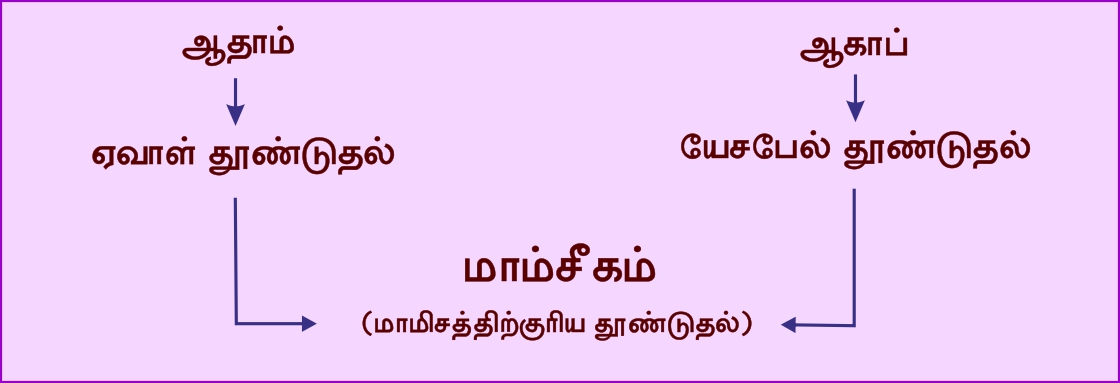
ஆகாப் ஒரு நல்ல மனிதன். ஆனால் எலியா பகைக்கின்றவிதமாய், அவனுக்குப் பின்னதாக இருந்து தூண்டிக்கொண்டிருந்தது யேசபேல். ஆகாப்பினை யேசபேல் பாவம் செய்ய தூண்டினாள். ஆதாமினை இச்சைக்குட்படுத்தினாள் ஏவாள். முதலில் ஏவாள், பின்னர் யேசபேல். பழைய ஏற்பாட்டின் நிறைவில் ஏரோதியாள். யூதர்களின் இருதய சிந்தையும் ஏரோதியாளின் கிரியைகளுக்கொத்த ஒரு சிந்தையாய் இருந்ததால் பழைய ஏற்பாட்டின் நிறைவின் காலத்து எருசலேம் விசுவாசிகளை ஏரோதியாள் என்று அறிவிக்கின்றேன். புதிய ஏற்பாட்டின் நிறைவிலும் அதைப்போலொத்த ஒரு சிந்தைதான் சபை விசுவாசிகளிடம் காணப்படும் என்பதால், சபை விசுவாசிகளை வேதம் மிருகத்தின் மேல் அமர்ந்த ஸ்திரீ என்று சாட்சியிடுகின்றது. ஏவாள், யேசபேல் என்பதற்கு மாம்சீகம் என்று அர்த்தம். மாம்சீகம் என்றால் மாமிசத்திற்குத் தகுந்தாற்போன்ற ஒரு சிந்தனை. அதுதான் ஏவாளின் தூண்டுதல்.
உபா. 8: 3-ல் இவ்விதமாகக் கூறப்பட்டுள்ளது:
"அவர் உன்னைச் சிறுமைப்படுத்தி, உன்னைப் பசியினால் வருத்தி, மனுஷன் அப்பத்தினால் மாத்திரம் அல்ல, கர்த்தருடைய வாயிலிருந்து புறப்படுகிற ஒவ்வொரு வார்த்தையினாலும் பிழைப்பான் என்பதை உனக்கு உணர்த்தும்படிக்கு, நீயும் உன் பிதாக்களும் அறியாதிருந்த மன்னாவினால் உன்னைப் போஷித்தார்."
மனுஷன் அப்பத்தினால் மாத்திரம் அல்ல; வார்த்தையினாலும் பிழைப்பான். இந்த வார்த்தையினை நீங்கள் அனைவரும் விசுவாசிக்கின்றீர்களா? முப்பது வருடங்களுக்கு எதுவும் சாப்பிடக்கூடாது; எதுவும் குடிக்கக் கூடாது. இது உங்களால் முடியுமா? உங்களால் முடியும் என்று நீங்கள் கூறுவீர்களானால் நீங்கள் வார்த்தைக்கு மாறாகக் கூறுகின்றீர்கள் என்று அர்த்தம். அது நீங்கள் கர்த்தரைப் பரீட்சை பார்ப்பது போன்றது. வேதாகமம் எழுதப்பட்டிருப்பது ஜென்ம சுபாவத்தானுக்கு அல்ல. வேதாகமத்தில் முதல் மனிதனாகக் குறிப்பிடப்பட்டிருக்கின்றவனான ஆதாம் ஆத்துமா பெற்ற முதல் மனிதன். ஆதாமிற்கு பல ஆயிரமாயிரம் வருடங்களுக்கு முன்பே இந்தப் பூமியில் மனிதர்கள் இருந்திருந்தார்கள். மோசேயின் ஆகமங்களில், தேவன் சிருஷ்டித்த அனைத்து சிருஷ்டிப்புகள் பற்றியும் ஆதியாகமம் முதல் அதிகாரத்தில் கூறப்பட்டுள்ளது.
மோசே ஒரு தூதன், அவன் அனுப்பப்பட்டவன். கர்த்தர் செய்யென்று கட்டளையிட்டு அனுப்பிய காரியங்களை அவன் செய்தான். அதுபோலவே கர்த்தரால் இவைகளைச் செய்யென்று கட்டளை பெற்றவனுக்குத்தான், மோசே எழுதிய ஆகமங்களின் பொருள் புரியும். மற்றவர்களுக்கு அவைகள் மறைக்கப்பட்டவைகள். மோசே இவைகளை எழுதும்போது எந்த ஞானத்தில் எழுதினானோ, அந்த ஞானம் இருந்தாலன்றி அவன் மூலமாய் அறிவிக்கப்பட்ட காரியங்களை அறியமுடியாது. அப்படியானால், இந்தக் காரியங்களை அறிய வேண்டுமானால், இவைகள் எந்த ஞானத்தில் எழுதப்பட்டுள்ளதோ, அந்த ஞானம் வேண்டும். அந்த ஞானம் பூமிக்குரிய ஞானமல்ல; அது பரத்திலிருந்து அனுப்பப்படுகின்ற ஞானம். அப்படியானால், பரத்திலிருந்து அனுப்பப்பட்ட ஞானத்தினைப் பெற்றாலன்றி, வார்த்தையின் இரகசியங்களை அறியமுடியாது. வார்த்தையின் இரகசியங்களை அறிந்து கொண்டதினால் எந்த ஒரு மாமிச சரீரமும் மகிமைக்குரியது என்று அர்த்தம் அல்ல. அதுவும் சாதாரணமான ஒரு சரீரமே. மோசேயினுடைய மாமிச சரீரம் என்ன ஆயிற்று? கர்த்தர் அடக்கம்பண்ணினார். வார்த்தை அப்படித்தான் கூறுகின்றது (உபா. 34: 5, 6).
மாமிச காரியத்தினைவிட மேலான ஒன்றுதான் ஜீவனுக்குரிய காரியமாகும். அது சத்தியத்தில் கொடுக்கப்பட்டிருக்கின்றது. அதுதான் ஒரு மனிதனை உயிர்ப்பிக்கின்ற மெய்யான ஒளியாகும். இங்கே கூறப்பட்டிருக்கின்றது, மனுஷன் அப்பத்தினால் மாத்திரமல்ல, வார்த்தையினாலும் பிழைப்பான் என்று. ஆத்துமா மண்ணுக்கொப்பான மாமிச சரீரத்தில் இருக்கின்றது. மாமிச சரீரமில்லாமல் ஆத்துமா ஜெநிப்பிக்கப்படாது. ஆத்துமா ஜெநிப்பிக்கப்பட ஒரு மாமிச சரீரம் கண்டிப்பாகத் தேவை. அந்த மாமிச சரீரம் வளர்ச்சியடைவதற்குத்தான் அப்பம் வேண்டும். ஆனால், ஆத்துமா வளர்ச்சி அடையவோ வார்த்தை வேண்டும்.
இரண்டு காரியங்கள்:
1. அப்பம்,
2. வார்த்தை.
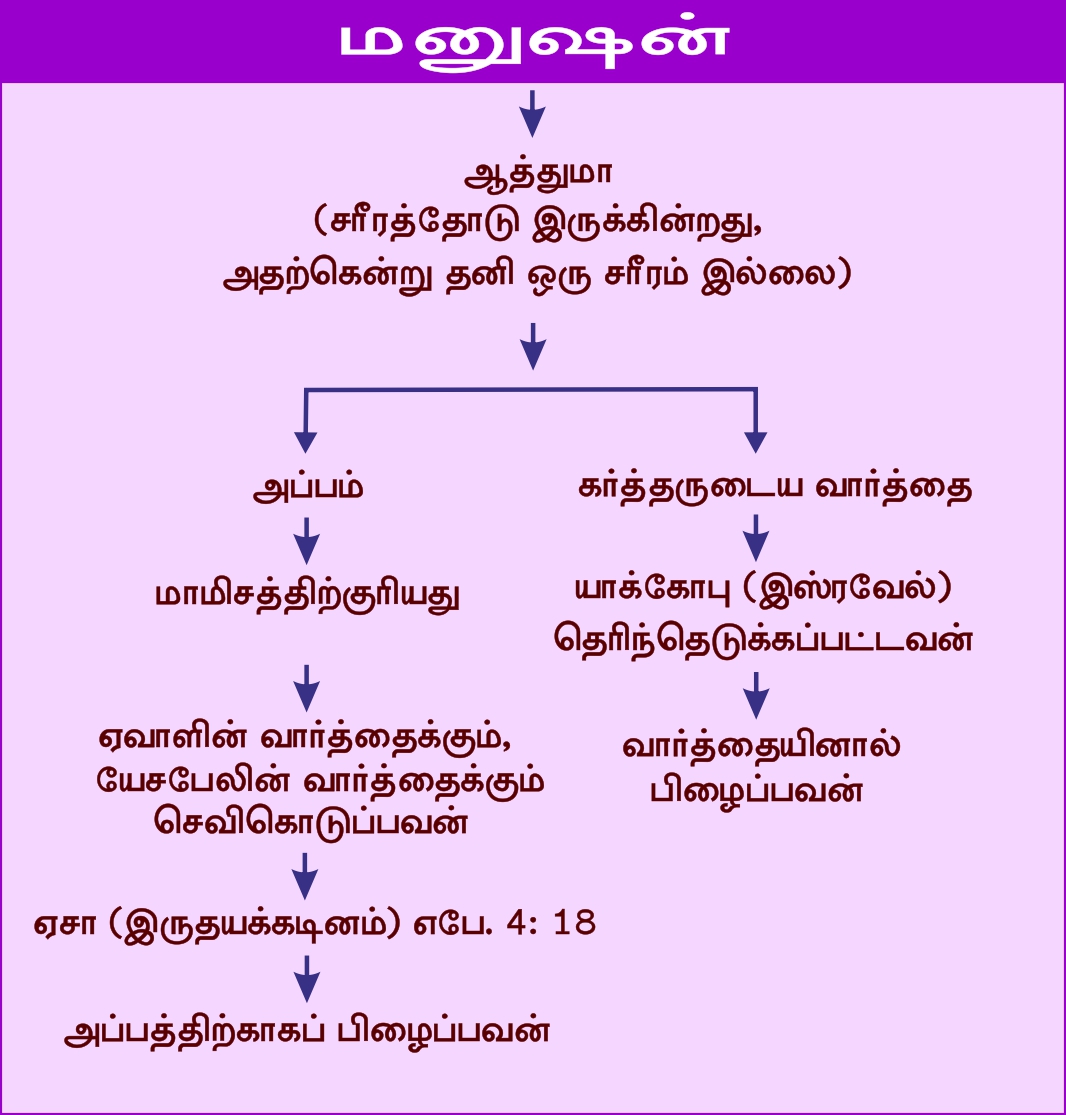
ஆத்துமா கொண்ட ஒரு மனிதன் மாமிசத்திற்குரிய காரியத்திற்காக மாத்திரம் கர்த்தரிடத்தில் வருவானேயானால், அவன்தான் ஏசா. எதினால் தான் பிழைக்க முடியாது என்று சத்தியம் சாட்சியிடுகின்றதோ, அதை மாத்திரம் தேடுகின்ற ஆத்துமா கொண்ட மாமிச சரீரத்திற்குரியவன் "ஏசா". அப்பத்திற்காகக் கர்த்தரை நாடுகின்ற ஆத்துமாக்கள் ஏவாளுடைய வார்த்தைகளுக்குச் செவிகொடுக்கும். ஏவாளையும், யேசபேலையும் சார்ந்திருப்பவன் அப்பத்திற்காக தனது சுதந்தர பாகத்தினை இழந்து கொண்டிருப்பவன். ஏசாவும் ஜீவனுக்கென்று அழைக்கப்பட்டவன்தான்; ஆனால், நித்திய ஜீவன் என்ற சுதந்திரத்தினை அவன் அலட்சியம் செய்தவன். யாக்கோபு ஜீவனுக்குரியவன்; அவன் தெரிந்தெடுக்கப்பட்டவன்.
1.வார்த்தையினால் பிழைப்பவன்:-
வார்த்தையில் ஜீவன் இருக்கின்றது. ஜீவன் இருக்கக்கூடிய அந்த வார்த்தையினை விசுவாசிப்பவன் நித்திய ஜீவனுக்குரியவன். நித்திய ஜீவன் என்பது மாமிசத்திற்குரியது அல்ல; அது இரண்டாம் மரணத்திற்குள்ளாகாமல், பரதீசியில் இளைப்பாறி, பரலோக ராஜ்யத்தினில் கர்த்தருக்கு முன்பாக, அவரின் நியாயாசனத்திற்கு முன் நியாயந்தீர்க்கப்படப்போகின்ற ஒரு நிலையாகும். அவனவன் கிரியைகளுக்குத்தக்க பலன் பரலோகத்தில் கொடுக்கப்படும். அப்படியான பலனை பரத்தில் அனுபவிக்கப் போகும் ஜீவனுக்குரியவன்தான் வார்த்தையினால் பிழைப்பவன்.
2.அப்பத்திற்காகப் பிழைப்பவன்:-
இன்னொரு கூட்டம் இருக்கின்றது. அது ஏசாவின் தன்மை கொண்ட விசுவாசிகள். அவர்கள் மாமிசத்திற்குரிய காரியங்களைத்தான் ஏற்றுக்கொள்வார்கள். மாமிசத்திற்குரிய காரியங்களுக்குத்தான் முக்கியத்துவம் கொடுப்பார்கள். ஏசா மாமிசத்திற்குரிய காரியத்திற்காக தனக்குக் கட்டளையிடப்பட்ட நித்திய மகிமையான சேஷ்டபுத்திரபாகத்தினை அலட்சியம் செய்தான் என்று வேதத்தில் நாம் வாசிக்கின்றோம். அவன் அலட்சியம் செய்தவன்.
ஆதி. 25: 34-ல் இவ்விதமாகக் கூறப்பட்டுள்ளது:
"அப்பொழுது யாக்கோபு ஏசாவுக்கு அப்பத்தையும் பயற்றங்கூழையும் கொடுத்தான்; அவன் புசித்துக் குடித்து எழுந்திருந்து போய்விட்டான். இப்படி ஏசா தன் சேஷ்ட புத்திரபாகத்தை அலட்சியம் பண்ணினான்."
சேஷ்ட புத்திரபாகத்தினை அலட்சியம் செய்தவன் ஏசா. ஏவாளின் போதனைக்கும், யேசபேலின் வார்த்தைக்கும் கீழ்ப்படிபவன் ஏசா. ஏசா சபிக்கப்பட்ட இடத்தில் பெண் கொண்டவன்.
எபே. 4: 18-ல் இவ்விதமாகக் கூறப்பட்டுள்ளது:
"அவர்கள் புத்தியில் அந்தகாரப்பட்டு, தங்கள் இருதய கடினத்தினால் தங்களில் இருக்கும் அறியாமையினாலே தேவனுடைய ஜீவனுக்கு அந்நியராயிருந்து;"
இருதயக் கடினத்தினால் ஏசா அந்நியன் ஆனான். இருதய கடினத்தினால் தனது சுதந்திர பாகத்தினை அலட்சியம் செய்தான் ஏசா. இருதயக் கடினம் என்றால் ஜீவனின் அருமை தெரியாத ஒரு நிலை. யாக்கோபு ஜீவனுக்குரியவன், அவன் வார்த்தையினை விசுவாசிப்பான்; ஏனென்றால், அவன் வார்த்தை என்ற அப்பத்தின் மீது நாட்டம் வைப்பவன். மாமிசத்தின் மீது நாட்டம் வைத்து, இருதய கடினமுள்ளவர்களாய் காணப்படும் அனைவரும் ஏசாக்கள். வார்த்தைக்குச் செவிகொடுப்பவர்கள் ஜீவனுக்குரியவர்கள். அவர்கள் யாக்கோபு. அவர்கள் தெரிந்தெடுக்கப்பட்டவர்கள். ஏசா ஆக்கினைக்கென்று நியமிக்கப்பட்டவன்.
கிறிஸ்தவன், ஆத்துமா என்ற உள்ளான மனிதனைக் கொண்டவன். ஆத்துமா கொண்டுள்ள கிறிஸ்தவர்களில் இரண்டு பிரிவுகள் உள்ளது.
1.ஏசா,
2. யாக்கோபு
யாக்கோபு ஜீவன் மீது நாட்டமுள்ளவன். காரணம் அவன் தெரிந்தெடுக்கப்பட்டவன்.
யார் தெரிந்தெடுக்கப்பட்டவர்களோ, அவர்கள் வார்த்தையினை விசுவாசிப்பார்கள்.
லூக். 3: 2-ல் இவ்விதமாகக் கூறப்பட்டுள்ளது:
"அன்னாவும் காய்பாவும் பிரதான ஆசாரியராயும் இருந்தகாலத்தில் வனாந்தரத்திலே சகரியாவின் குமாரனாகிய யோவானுக்குத் தேவனுடைய வார்த்தை உண்டாயிற்று."
நியாயப்பிரமாணத்தினைக் குறித்துப் பார்த்தோம், நியாயப்பிரமாணத்தின் முடிவு இயேசு கிறிஸ்து. நியாயப்பிரமாணம் மோசே மூலம் கொண்டுவரப்பட்டது. கர்த்தராகிய இயேசு கிறிஸ்துவினால் நியாயப்பிரமாணம் நிறைவேறித் தீர்ந்தது. கிறிஸ்துவுக்கு முன்னதாக அனுப்பப்பட்டவன் யோவான் ஸ்நானன். இந்த யோவான் ஸ்நானனுக்குள் வார்த்தை உண்டாயிற்று. அந்த வார்த்தை, "இதோ, உலகத்தின் பாவத்தைச் சுமந்து தீர்க்கின்ற தேவ ஆட்டுக்குட்டி" என்பது. அவனுக்குள் உண்டான வார்த்தை "விரியன் பாம்புக் குட்டிகளே, வரும் கோபத்திற்குத் தப்பித்துக்கொள்ள உங்களுக்கு வகைகாட்டினவன் யார்?" என்பதாகும். அவனுக்குள் உண்டான வார்த்தை "ஆபிரகாம் எங்களுக்குத் தகப்பன் என்று கூறிக்கொள்ளாதிருங்கள். ஆபிரகாமிற்கொத்த கிரியைகளைச் செய்யுங்கள்" என்றது. இந்த வார்த்தை அவனுடையது அல்ல. அவன் அந்த ஒளி அல்ல; அந்த ஒளியினைக் குறித்துச் சாட்சி கொடுத்தவன்.
யோவா. 1: 8-ல் இவ்விதமாகக் கூறப்பட்டுள்ளது:
"அவன் அந்த ஒளியல்ல, அந்த ஒளியைக்குறித்துச் சாட்சிகொடுக்க வந்தவனாயிருந்தான்."
அவன் அந்த ஒளி அல்ல; அந்த ஒளிக்குச் சாட்சி. ஒளி - வார்த்தை. அந்த வார்த்தையில் ஜீவன் இருந்தது. அந்த ஜீவன் மனுஷருக்கு ஒளியாக இருந்தது. யோவான் அந்த ஒளிக்குச் சாட்சி. அவன் அந்த ஒளியல்ல. ஒளி என்பது வார்த்தை. அப்படியானால், உரைக்கப்பட்ட அந்த வார்த்தை யோவான் ஸ்நானனின் வார்த்தை அல்ல. யோவான் ஸ்நானன் ஒளி அல்ல. அந்த வார்த்தை அவனிடத்தில் உண்டானபடியினால், அந்த வார்த்தையின் ஒளி அவனைப் பிரகாசிக்கச் செய்தது. அந்த வார்த்தையின் ஒளி அவனுக்குள் ஜீவனைக் கொடுத்தது. அந்த ஒளியினை யாரெல்லாம் ஏற்றுக்கொண்டார்களோ, அவர்களெல்லாம் ஒளிக்குரியவர்களாக மாறினார்கள். அவன் சாட்சியிட்டும், அநேகர் அந்த ஒளியினை ஏற்றுக்கொள்ளவில்லை. ஏனென்றால், மனுஷனுடைய கிரியைகள் பொல்லாதவைகளாயிருந்தபடியினால் அந்த ஒளியினை ஏற்றுக்கொள்ளவில்லை. அங்கே வார்த்தை உண்டாயிற்று. அந்த வார்த்தை இவர்தான் மேசியா என்று அடையாளம் காட்டியது. யோவான் ஸ்நானனுக்குள் உண்டான வார்த்தை, அன்றைக்கென்று அனுப்பப்பட்ட வார்த்தையினை அடையாளம் காட்டியது. இரட்சிப்பினைக் கொடுக்கக் கட்டளையிடப்பட்ட வார்த்தையினை அடையாளம் காட்டிற்று. அந்த வார்த்தை மாமிசத்தில் வெளிப்பட்ட இயேசு கிறிஸ்து.
யோவா. 1: 14-ல் இவ்விதமாகக் கூறப்பட்டுள்ளது:
"அந்த வார்த்தை மாம்சமாகி, கிருபையினாலும் சத்தியத்தினாலும் நிறைந்தவராய், நமக்குள்ளே வாசம்பண்ணினார்; அவருடைய மகிமையைக் கண்டோம்; அது பிதாவுக்கு ஒரேபேறானவருடைய மகிமைக்கு ஏற்ற மகிமையாகவே இருந்தது."
இயேசு கிறிஸ்து அன்றைக்கென்று அனுப்பப்பட்ட வார்த்தை. அந்த வார்த்தையினைக் குறித்துச் சாட்சி கொடுத்தவன் யோவான் ஸ்நானன். அவன் அந்த வார்த்தை அல்ல. அவன் அந்த வார்த்தைக்குச் சாட்சி.
யோவா. 17: 14-ல் இவ்விதமாகக் கூறப்பட்டுள்ளது:
"நான் உம்முடைய வார்த்தையை அவர்களுக்குக் கொடுத்தேன்; நான் உலகத்தானல்லாததுபோல அவர்களும் உலகத்தாரல்ல; ஆதலால் உலகம் அவர்களைப் பகைத்தது."
பிதாவின் வார்த்தைகளை தம்முடைய சீஷர்களுக்குக் கொடுத்தேன் என்று கர்த்தராகிய இயேசுகிறிஸ்து கூறுகின்றார்.
யோவா. 17: 15, 17 -ல் இவ்விதமாகக் கூறப்பட்டுள்ளது:
"நீர் அவர்களை உலகத்திலிருந்து எடுத்துக்கொள்ளும்படி நான் வேண்டிக்கொள்ளாமல், நீர் அவர்களைத் தீமையின்று காக்கும்படி வேண்டிக்கொள்ளுகிறேன்.
உம்முடைய சத்தியத்தினாலே அவர்களைப் பரிசுத்தமாக்கும்; உம்முடைய வசனமே சத்தியம்."
இங்கே மூன்று காரியங்களைக் குறித்து கர்த்தராகிய இயேசுகிறிஸ்து அறிவிக்கின்றார். அவைகள் இஸ்ரவேலர்களுக்குக் கொடுக்கப்பட்ட வார்த்தைகளாகும்.
1. வார்த்தையினைக் கொடுத்தேன்
2. இவர்களை உலகத்திலிருந்து எடுத்துக்கொள்ள வேண்டிக்கொள்ளவில்லை, இவர்களைக் காத்துக்கொள்ளுங்கள்
3. உம்முடைய சத்தியத்தினால் இவர்களைப் பரிசுத்தப்படுத்துங்கள்.
அவர் மாமிசத்தில் இருந்தபோது, இஸ்ரவேலர்களில் அவரை ஏற்றுக்கொண்டவர்கள் அனைவரையும் எடுத்துக்கொள்ள வேண்டும் என்று பிதாவிடம் அவர் வேண்டிக்கொள்ளவில்லை, அவர்களை நீர் தீமையினின்று காத்துக்கொள்ளும் என்று வேண்டிக்கொண்டார். மேலும் உம்முடைய சத்தியத்தினால் அவர்களைப் பரிசுத்தப்படுத்தும் என்றும் வேண்டிக்கொண்டார். நீர் அனுப்பியிருக்கும் இந்த உமது வார்த்தையினைக் கொண்டு இவர்களைப் பரிசுத்தப்படுத்துங்கள் என்று வேண்டிக்கொண்டார். அனுப்பப்பட்ட அந்த வார்த்தையான இயேசுகிறிஸ்துவே சத்தியம்.
கர்த்தர் தமது இரகசிய வருகையில் எடுத்துக்கொள்ளப்படத் தெரிந்தெடுத்துள்ள கிறிஸ்தவர்களுக்காகவும் அதுபோன்ற வார்த்தையினை இந்த நிறைவின் காலத்தில் கட்டளையிட்டுள்ளார்.
1. வார்த்தையினைக் கொடுக்கின்றார்.
2. சத்தியத்தினால் பரிசுத்தப்படுத்துகின்றார்.
3. எடுத்துக்கொள்ள வேண்டாம்; காத்துக்கொள்ளுங்கள் என்ற வேண்டுதல் இங்கே மாற்றப்படுகின்றது. இனிமேல் இவர்கள் பூமியில் தங்கியிருந்தால், மாசுபட்டு முற்றிலும் அழிந்துபோவார்கள். எனவே, இவர்களை எடுத்துக்கொள்ள வேண்டும் என்று வேண்டுகின்றார்.
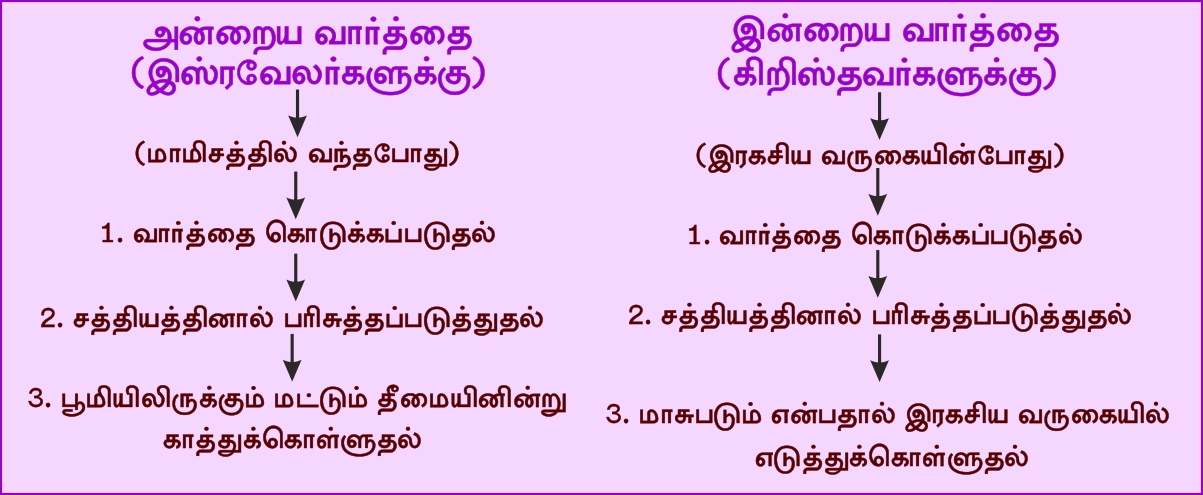
பழைய ஏற்பாட்டின் இறுதியில் இஸ்ரவேலர்களுக்கு வார்த்தை கொடுக்கப்பட்டு, இஸ்ரவேலர்களை அந்த வார்த்தையினால் பரிசுத்தப்படுத்துகின்றார். அப்படியாகப் பரிசுத்தப்படுத்தப்பட்டவர்களை எடுத்துக்கொள்ள வேண்டாம், அவர்கள் பூமியில் இருக்கவும், பிதாவினால் காப்பாற்றப்படவும் வேண்டினார். புதிய ஏற்பாட்டின் நிறைவில் இயேசு கிறிஸ்து மூலமாய் கிருபையினையும், இரட்சிப்பினையும் பெற்ற கிறிஸ்தவர்களுக்குக் கொடுக்கப்பட்ட வார்த்தையின்படி, மணவாட்டி மாசுபடுவாள் என்பதால் கடைசி ஏற்பாட்டில் இரகசிய வருகையின்போது எடுத்துக்கொள்ளப்படும்படியாக வேண்டுதல் செய்கின்றார்.
கிருபை என்பதற்கு ஆத்தும ஜனனம் என்று அர்த்தம்.
ஆத்தும ஜனனம் என்ற இந்தக் கிருபை இஸ்ரவேலர்களுக்கு முடிவடைந்தபின்னர், புறஜாதிகளாகிய நமக்குள் வந்துள்ளது. மரியாளின் வயிற்றினில் இந்த வார்த்தையானவர் பரிசுத்த ஆவியாய் நிழலிட்டு, இயேசு கிறிஸ்து என்ற மாமிச சரீரம் உருவான அந்த வினாடி முதல், இஸ்ரவேலர்களுக்குக் கிருபை முடிவடைந்து, ஜென்ம சுபாவத்தார்களுக்கு இந்தக் கிருபை திரும்பியது.
ஆதாம் - முதல் தலைமுறை
மோசே - 29-ம் தலைமுறை பிற்பகுதி (நியாயப்பிரமாணம் ஆரம்பம்)
யோசுவா - 30-ம் தலைமுறை முற்பகுதி
இயேசு கிறிஸ்து - 76-ம் தலைமுறை (இஸ்ரவேலர்களுக்கு கிருபை முடிவு; கிறிஸ்தவர்களுக்கு கிருபை ஆரம்பம்)
ஆதாமிலிருந்து 29 மற்றும் 30வது தலைமுறையின் முற்பகுதி வரையிலும் கிருபை பிரமாணம். அதன்பின்னர் நியாயப்பிரமாண காலம். இஸ்ரவேலர்களுக்குக் கிருபை முடிவடைந்தபோது நியாயப்பிரமாணமும் முடிவடைந்தது. வார்த்தை மாமிச சரீரமாக உருவானதுமுதல் புறஜாதிகளுக்குக் கிருபை கொடுக்கப்பட்டது. பிதாவின் காணியாட்சியில் பங்கடையக் கர்த்தர் எந்த நீதியினை நியமித்திருந்தாரோ, அந்த நீதியின்படி நடந்தவர்கள், அந்த நீதிக்குரிய ஸ்தலத்திற்குள் சென்றார்கள். ஏனென்றால், அவருடைய நியாயத்தீர்ப்பு சத்தியத்தின்படி இருக்கின்றது
பரலோகம் அவரது ராஜ்யம். அதை அவர் தனக்கு இஷ்டமான கிரியைகளைச் செய்பவனுக்குக் கொடுக்கின்றார். கர்த்தாவே உம்முடைய காணியாட்சியில் எங்களுக்கும் இடம் வேண்டும் என்று மாமிசத்தின்படியாக ஒருவரும் உரிமைகோர இயலாது. அவர் எப்படியான நீதி நியமனத்தினை வைத்திருக்கின்றாரோ, அவைகளைப் பின்பற்றுபவனுக்கு அந்தச் சுதந்திரத்தினைக் கொடுக்கின்றார்.
கர்த்தாவே, ஏசாவும் யாக்கோபும் ஒரே தாயினுடைய பிள்ளைகள்தானே, ஒரே தகப்பனுடைய பிள்ளைகள்தானே; அவர்கள் பூமியில் பிறக்கவே இல்லையே, அவர்கள் தங்களின் கிரியைகளைச் செய்யவே இல்லையே. ஏன் நீர் ஏசாவைப் பகைத்தீர்? ஏன் நீர் யாக்கோபைச் சிநேகித்தீர்? இப்படியாகக் கர்த்தரிடம் கேட்கமுடியாது. அப்படியாக ஒருவன் கேட்கின்றவனாக இருந்தால், அவன் ஏசா. ஏசாவின் கிரியைகள் மாமிசத்தின்படி நீதியான கிரியைகளாக இருக்கலாம். யாக்கோபின் கிரியைகள் மாமிசத்தின்படி நீதியில்லாதவைகளாகவும் இருக்கலாம். ஆனால், கர்த்தர் யாரை நீதிமான் என்று அறிக்கையிடுகின்றாரோ அவன்தான் நீதிமான். யாரை துன்மார்க்கன் என்று சாட்சியிடுகின்றாரோ, அவன்தான் துன்மார்க்கன்.
எலியாவின் நாட்களில் நாம் யூதனாக இருந்திருந்தால், நமது மனநிலை எப்படியாக இருந்திருக்கும் என்பதைப் பற்றி சற்று யோசித்துப்பாருங்கள். இயேசு கிறிஸ்துவின் நாட்களில் நாமும் யூதனாக இருந்திருந்தால் எப்படியாக இருந்திருப்போம்? இயேசு கிறிஸ்துவின் நாட்களில் இருந்த யூதர்கள் அனைவரும் அவரை ஏற்றுக்கொண்டார்களா? இல்லையே!
யோவான் ஸ்நானனைக் குறித்து பார்க்கின்றோம், அவன் வெட்டுக்கிளியும் காட்டுத்தேனும் புசித்தான். இயேசு கிறிஸ்து அப்பமும், திராட்சரசமும் புசித்தார். யோவான்ஸ்நானன் மாமிச சரீரத்தினைப் பேணிய காரியங்கள் அன்றைய மனித சூழலுக்கு அப்பாற்பட்ட ஒரு காரியமாக இருந்தது. மற்ற மாமிச சரீரங்களின் கிரியைகளுக்கு ஒத்த கிரியைகளாக அவைகள் இல்லை.
கர்த்தர் வெளிப்படுத்திக் கொடுத்தவைகளில், முக்கிய பங்கு இந்த "வார்த்தை" என்ற இடிமுழக்க முத்திரைக்குரிய காரியம் ஆகும். கர்த்தருடைய நாமம் மாத்திரம் மகிமைப்படுவதாக. கர்த்தர் கிரியை செய்வாராக. ஏழாம் தூதனின் எக்காள சத்தத்தின் நாட்களில் தேவரகசியம் நிறைவேறிவிட்டது, நிறைவேறிய இரகசியம் அறிவிக்கப்பட வேண்டும். நிறைவேறிய இந்த இரகசியம் அறிவிக்கப்படக்கூடிய காலம் கடைசி ஏற்பாட்டின் காலம்.
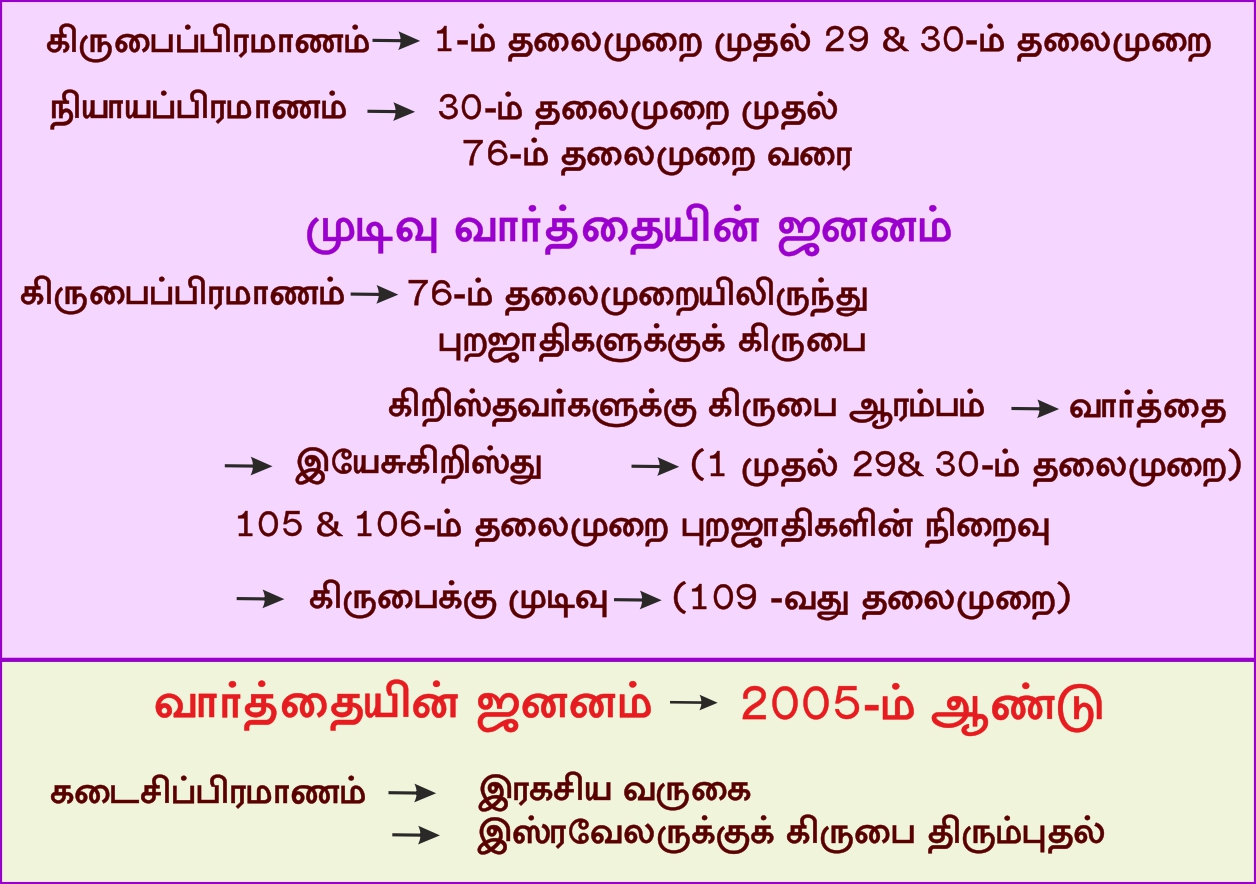
நிறைவேறிய தேவரகசியம்:-
முதலில் பார்த்தோம், 1வது தலைமுறையில் இருந்து 29 & 30-வது தலைமுறை வரையிலும், கிருபைப் பிரமாணம். 29 & 30-ம் தலைமுறை முதல் 76-ம் தலைமுறை வரையிலும், நியாயப்பிரமாணம். இயேசு கிறிஸ்து மாமிசத்தில் உருவான, அதாவது மரியாளின் வயிற்றினில் வார்த்தை என்னும் வித்து விழுந்த அடுத்த விநாடி இஸ்ரவேலரின் நித்தியஜீவன் என்ற கிருபைக்கு முடிவு வந்தது. 76-ம் தலைமுறையுடன் நியாயப்பிரமாணக் காலம் நிறைவடைந்துவிட்டது. அதன்பின்னர், ஆத்துமா உள்ளவனாகச் சிருஷ்டிக்கப்பட்ட ஆதாமின் சந்ததிகளுக்குக் கிருபை இல்லை. ஜென்ம சுபாவத்தார்களாகிய நமக்குக் கிருபை கொடுக்கப்பட்டது. நமக்குக் கொடுக்கப்பட்டிருக்கின்ற பிரமாணம் கிருபைப் பிரமாணம். புறஜாதிகளுக்குக் கிருபை கட்டளையிடப்பட்டுள்ள காலம் கிட்டத்தட்ட 29 & 30-ம் தலைமுறை வரையிலாகும். இந்த நியமனங்கள் நிறைவேறிய பின்னர்தான், இரகசியங்கள் அறிவிக்கப்படவேண்டும் என்பதற்காக முத்திரிக்கப்பட்டுள்ளது. இப்போது இந்தக் காரியங்கள் நிறைவடைந்தபடியினால் இரகசியங்கள் கர்த்தரால் வெளிப்படுத்தப்பட்டு அறிவிக்கப்படுகின்றது.
நியாயப்பிரமாணம் நிறைவேறினபோது, வார்த்தை மாமிசமான ஜனனம் நிகழ்ந்தது. அப்படி ஜனனமான வார்த்தைக்குப் பெயர் கர்த்தராகிய இயேசு கிறிஸ்து. அதுபோல, அந்த வார்த்தையின் மூலமே கிருபைப் பிரமாணமும் முடிக்கப்பட வேண்டும்.
வார்த்தை நிறைவுக்குள் வரும்போது, மறுபடியும் அது ஜனனம் ஆகவேண்டும். வார்த்தை ஜனனமான பின்னர், நியாயப்பிரமாண ஜனமாகிய இஸ்ரவேலர்களுக்குள் மீண்டும் கிருபை செல்லவேண்டும். கடைசி ஏற்பாட்டில் வார்த்தை ஜனனம் ஆகிவிட்டது, கிருபை இஸ்ரவேலருக்குள் திரும்பிச் சென்றுவிட்டது என்பது அறிவிக்கப்பட வேண்டும்.
இது மணவாட்டி அலங்கரிக்கப்படுகின்ற காலம். முந்தைய நிகழ்வுகள் யாவும் நிறைவேறிவிட்டது. தேவரகசியம் ஏழாம் சபையின் காலத்தோடு நிறைவு பெற்றுவிட்டது. நிறைவேறிய இரகசியங்கள் இப்போது அறிவிக்கப்படுகின்றது. ஏழாவது சபையின் காலம் கி.பி. 1906-லிருந்து கி.பி. 2005 வரையிலான காலமாகும். ஏழாம் சபைக்காலத்தினில் தேவரகசியம் நிறைவேறிவிட்டது. கடைசிச்சபையின் காலத்தோடு தேவரகசியம் நிறைவேறிவிட்டது. அப்படியாக நிறைவேறிய கிருபையினை அறிவிக்க, கர்த்தர் கட்டளையிட்டிருக்கின்ற இந்த வார்த்தையானது, பகிரங்கமாய் அறிவிக்கப்படுகின்றது. இப்போது நாம் ஜீவிக்கின்ற காலம் அலங்கரிப்பின் காலம். வருகைக்குப் பின்னர், கிறிஸ்தவர்கள் இப்போது இருப்பதைவிட இன்னமும் அதிகமாக இருப்பார்கள். இன்னமும் அநேகக் கிறிஸ்தவ ஆலயங்கள் கட்டப்படும். இன்னமும் அநேகக் கிறிஸ்தவ ஐக்கியங்கள் எழும்பும், இன்னமும் அநேக சபைப் பிரிவுகள் எழும்பும். ஆனால், ஆத்தும ஜனனம் என்ற கிருபை இருக்காது.
ஜனனமும் வளர்ச்சியும் ஏழு சபைக்காலங்களில் நிறைவேறிவிட்டது. இது வளர்ச்சியடைந்த மணவாட்டி அலங்கரிக்கப்படக்கூடிய கடைசி ஏற்பாட்டின் காலம். மணவாட்டிக்குரிய அலங்காரங்களைத் தரித்துக்கொண்டவர்களாகக் காணப்படுபவர்கள் புத்தியுள்ள கன்னிகைகள். புத்தியுள்ள கன்னிகைகள் மணவாளனோடே எடுத்துச் செல்லப்படுவார்கள்.
ஆமென்! ஆமென்!! ஆமென்!!!